


Welcome to The Aesthetics Edit™ - our award-winning educational platform at the intersection of art, beauty, medicine and science.
Explore by category and read our latest articles below,
or see a full list of all of our pieces here





Latest articles

Don't Die: What Bryan Johnson Gets Wrong About Longevity (and What Actually Works)
A tech millionaire spends two million dollars a year, swallows dozens of pills a day, and once had his teenage son's blood pumped into his veins — all to avoid dying. It's a mesmerising spectacle. It's also, for almost everything that matters, a very expensive way of ignoring what we already know. Because the real longevity "hacks" are unglamorous, unpatentable, and backed by mountains of actual evidence. And look — maybe it’s boring, but it’s free.

Beef Tallow Skincare: A Doctor Renders Down the Hype
TikTok would like you to smear rendered beef fat on your face — for glowing, "ancestral," chemical-free skin. As ever, the truth is more boring and more useful than either the evangelists or the eye-rollers will tell you. So let me render it down: what tallow genuinely does, what it absolutely doesn't, and whether you should slather it on.

Do Collagen Supplements Actually Work? An Honest 2026 Update
I first wrote about collagen supplements back in 2020, when the evidence was thin and I was — politely — a skeptic. Half a decade and a great many clinical trials later, the picture has shifted slightly. So here's an honest update: what the newest evidence really shows, where the hype still outruns it, and whether that daily scoop is worth your money.
The Paraben Panic: How a Health Scare Made Your Skincare Less Safe
"Paraben-free" is one of the most successful marketing phrases in beauty history. It's also a cautionary tale. The campaign against a cheap, well-tested, genuinely safe preservative didn't make your skincare cleaner — it handed you more allergies and more contamination, and charged you extra for the privilege.
Here's how one flimsy study in 2004 rewrote the back of every bottle you own — and why fear is a terrible way to choose skincare.
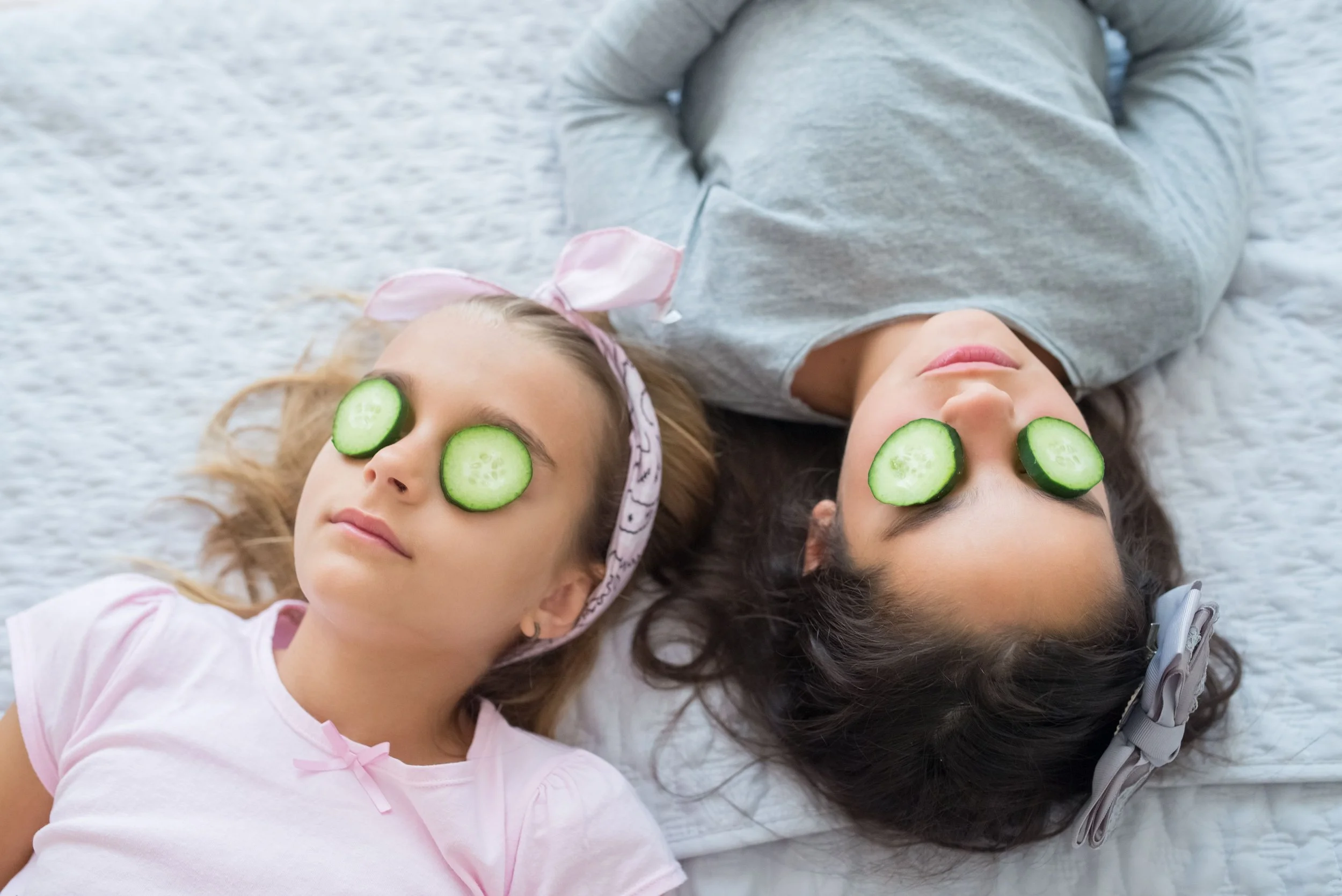
Sephora Kids: What Anti-Ageing Skincare Is Doing to Children
Because the customer has changed. It's no longer sixteen-year-olds with spots. It's ten-year-olds — sometimes seven-year-olds — clutching £68 serums, filming elaborate multi-step routines for TikTok, and using potent anti-ageing ingredients on skin that is, developmentally, a baby's.
We've started calling them "Sephora kids," and it would be amusing if it weren't so harmful.
Let me explain what's actually going on, and — crucially — what the new evidence shows.
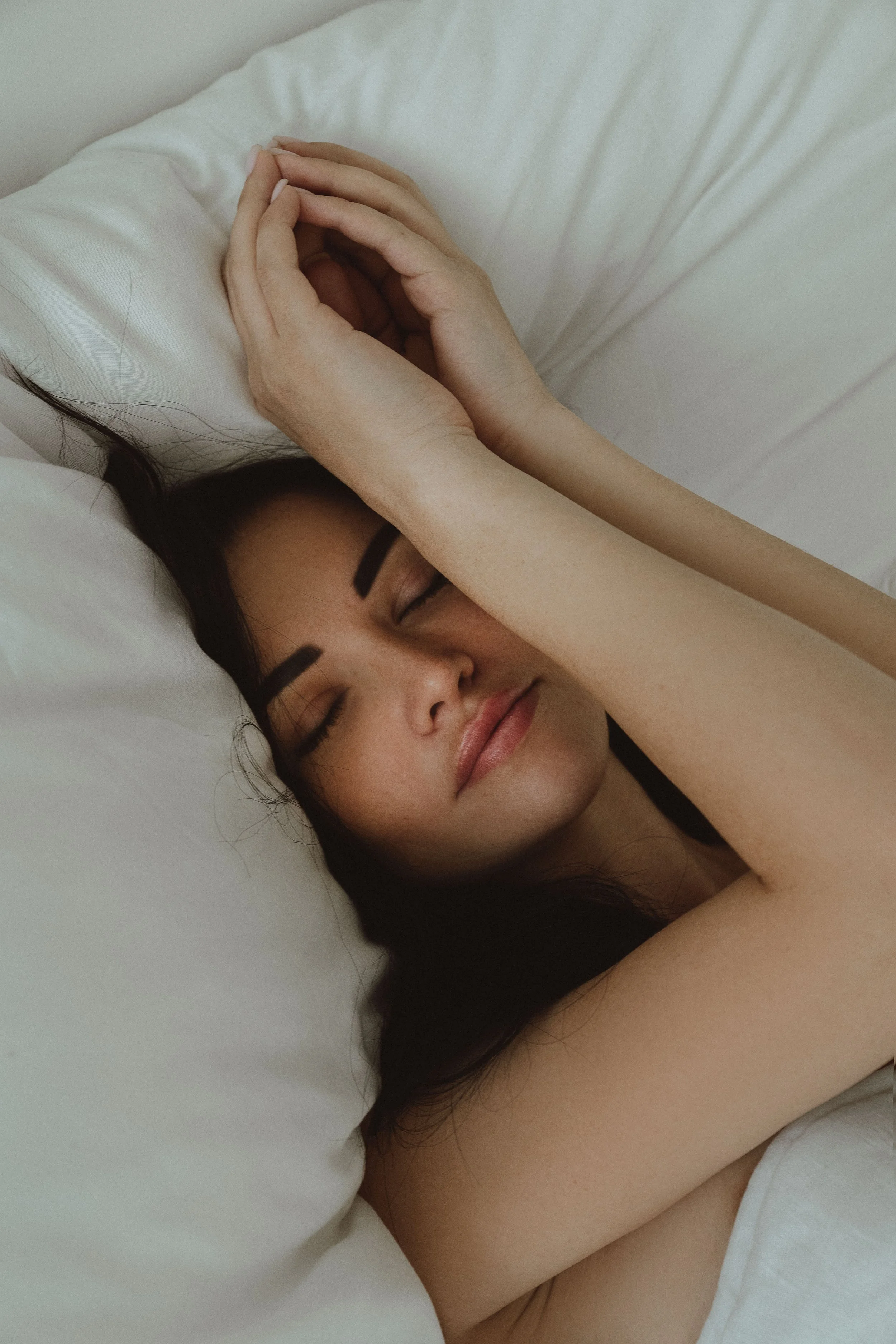
The Morning Shed: Should You Be Sleepmaxxing Your Skin?
If you have spent any time on TikTok lately, you will have met the "morning shed." The premise is simple and strangely satisfying: you go to bed looking like a mummy — layered in serums, an occlusive mask, under-eye patches, a chin strap, a silk bonnet, perhaps a strip of tape across your mouth — and you wake up to peel it all away, revealing skin that is supposedly luminous, lifted and years younger. It is the latest chapter in "sleepmaxxing," the wider trend of optimising every hour of sleep for health and beauty.
I understand the appeal. There is something deeply reassuring about the idea that we can work on ourselves while we do nothing at all.
But as with so many viral rituals, the question I care about is not whether it looks impressive on camera. It is whether it is doing anything, and whether it is safe.
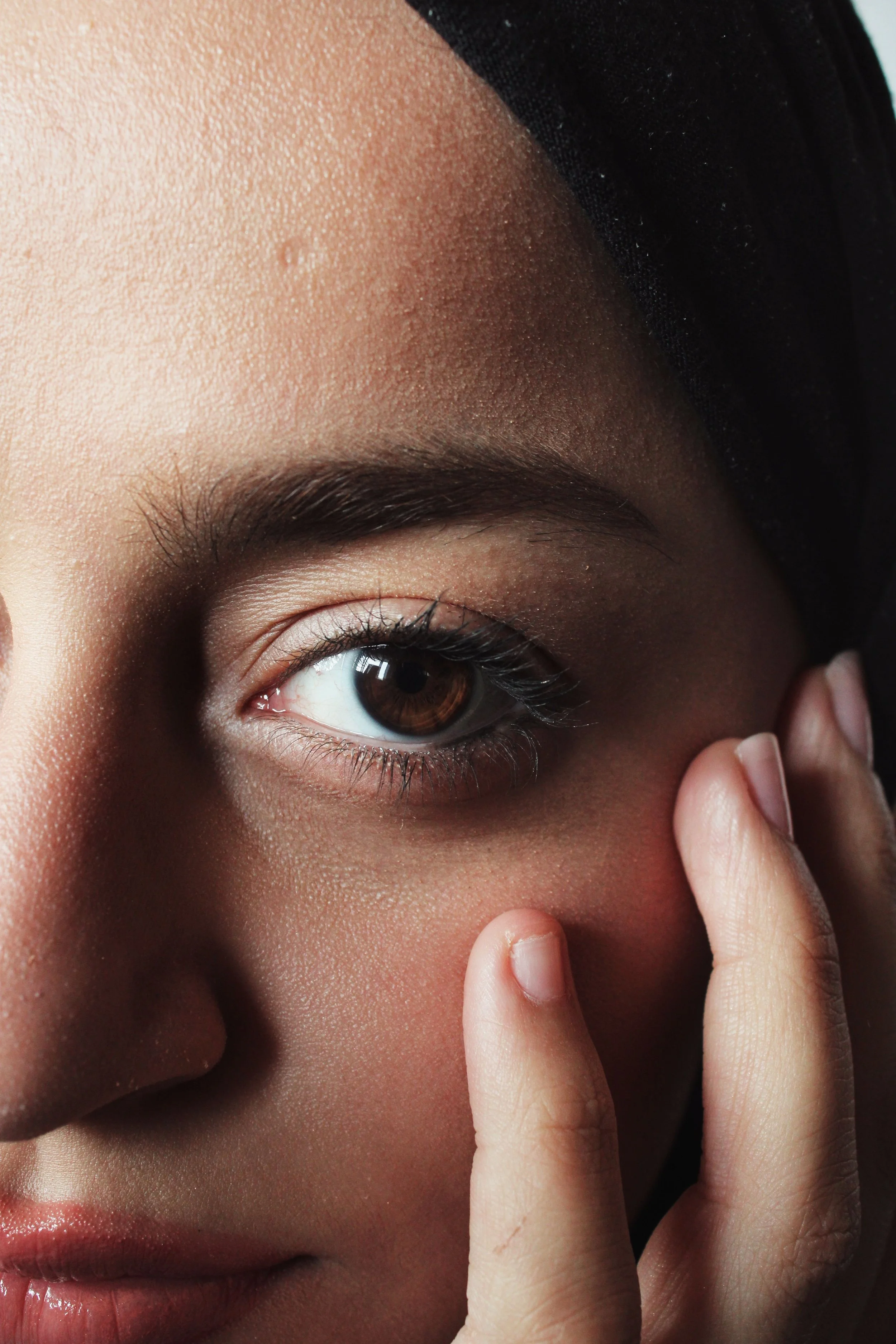
"Cortisol Face" Is Not a Thing (Mostly): A Doctor Untangles the Latest Wellness Panic
Somewhere in the last year, a remarkable number of people woke up, looked in the mirror, and diagnosed themselves with "cortisol face."
You've seen the videos: a slightly puffy morning selfie, a dramatic arrow pointing at rounded cheeks, and a confident voice explaining that stress has flooded your body with cortisol and bloated your face — but don't worry, because a "cortisol detox," an "adrenal cocktail," or a tub of some hopeful powder will fix it in two weeks. It's compelling. It names a thing you've definitely felt (I don't love my face some mornings either), hands you a villain (stress, cortisol, modern life), and sells you a fix.
Perfect misinformation, really.
So let me do what I do. There is a real medical story under here — it's just not the one TikTok is selling you.

Mewing, Mouth-Taping and "Looksmaxxing": A Doctor's Guide to the Jawline Trend
There's a whole corner of the internet teaching teenage boys and young men to chase a chiselled jaw — some of it harmless, some of it genuinely dangerous, and quite a lot of it built on the advice of two dentists who've since been struck off.
Here's what actually works, what's nonsense, and the thing underneath it all that I think we need to talk about.
Most of my work — and most of this blog — has, historically, spoken to women. But there's a trend I can't really ignore any longer, because it's aimed squarely at boys, some of them very young, and because bits of it are landing people in trouble. It's called looksmaxxing, and if you have a teenage son, or you are a young man, or you've simply fallen down a certain kind of TikTok rabbit hole, you'll already know the vocabulary: mewing, mouth-taping, bonesmashing, "canthal tilt," "hunter eyes."
The easy move is to mock this latest trend, but mockery is exactly the wrong response. Let me explain what it all is, sort the sensible from the silly from the genuinely harmful — and then talk about the part that actually matters.
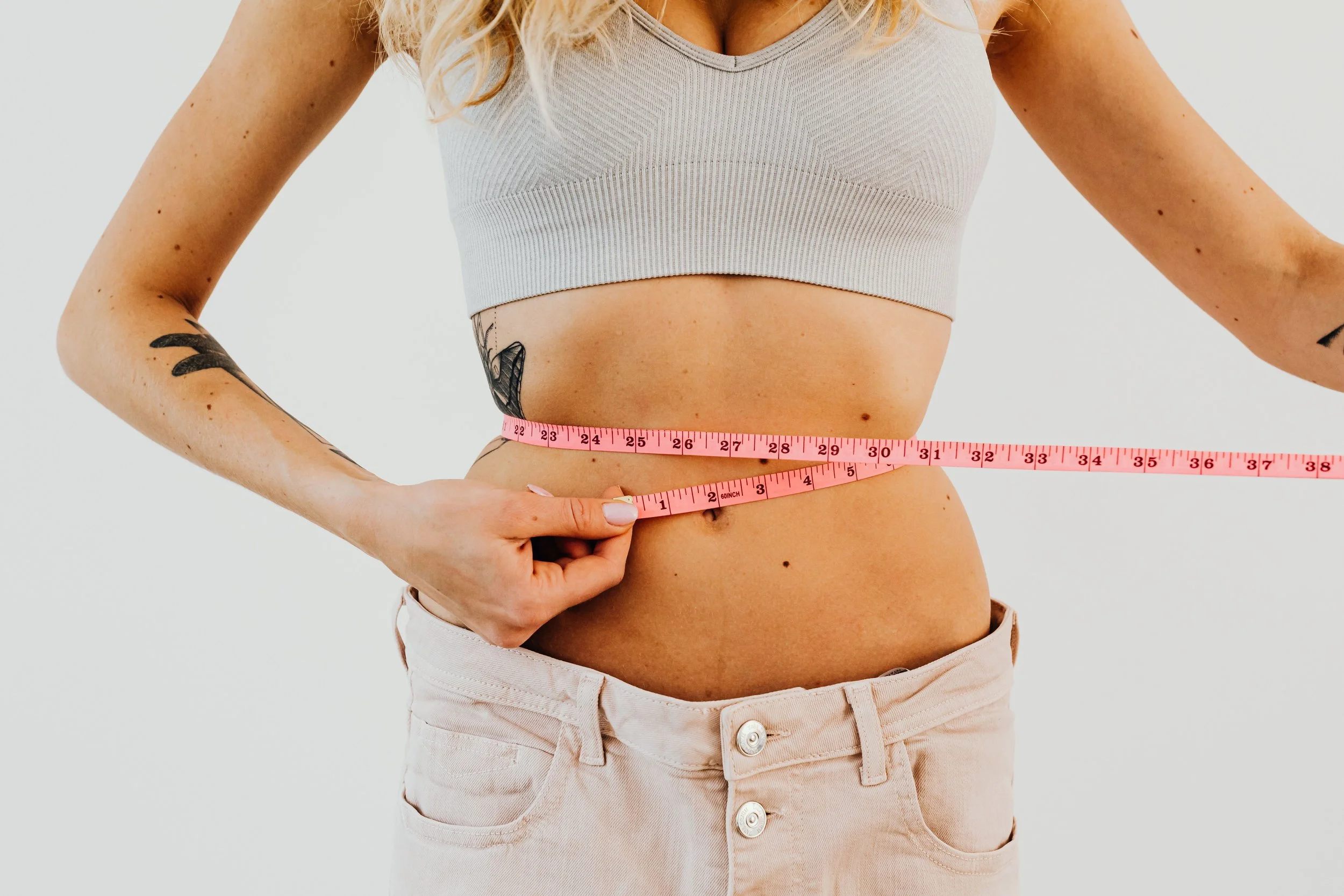
Skinny Is Back — and We Need to Talk About It
In the space of about three years, the culture has swung from body positivity to something that looks a lot like the old thin ideal in new clothing. A big part of that story is a class of genuinely brilliant medicines — GLP-1s — being actively absorbed into an old, harmful set of beauty rules. As a doctor, I recognise how, for the right patient, this subset of medications can vastly improve their health. But when prescribed inappropriately, they can be something much more sinister.
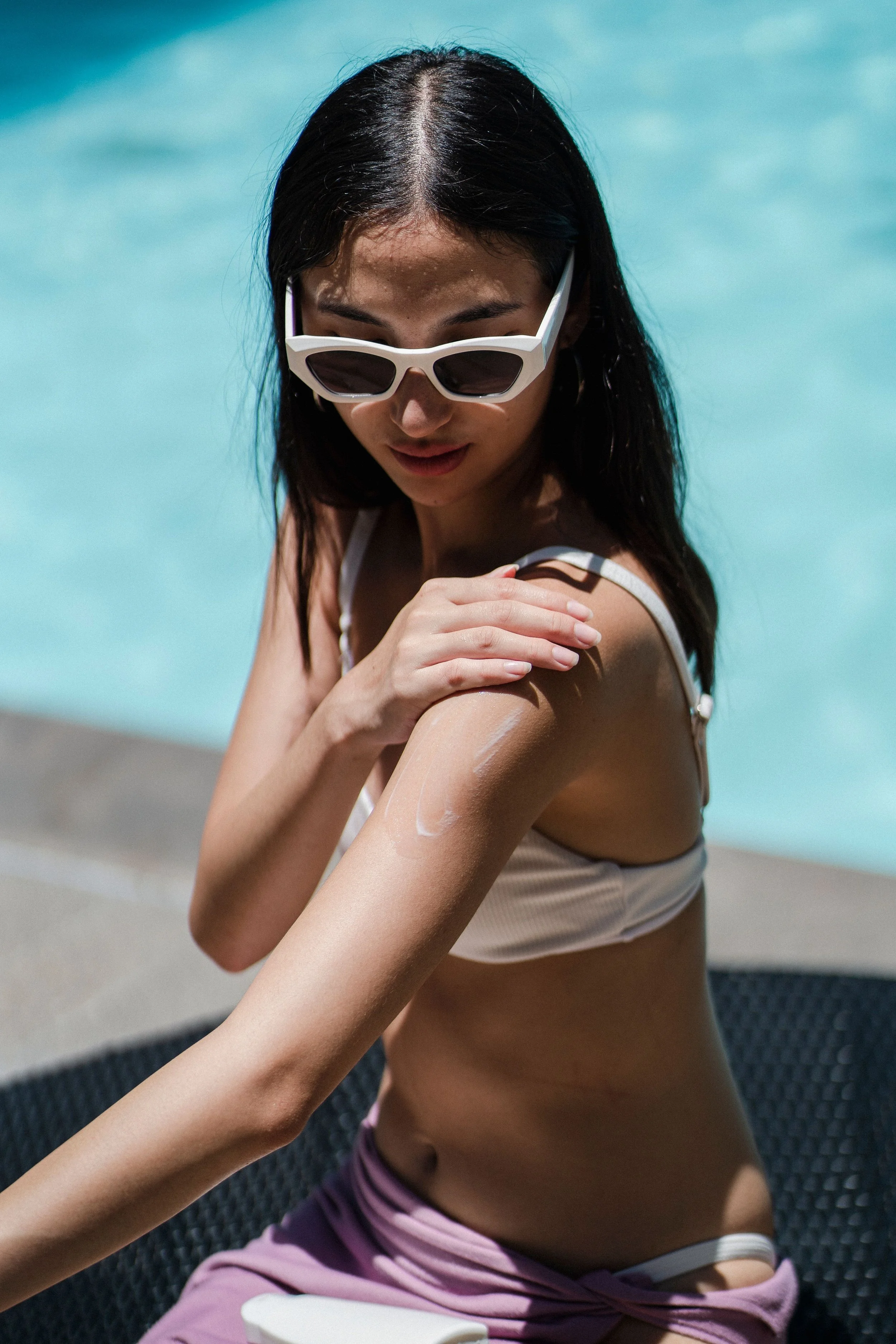
No, Your Sunscreen Isn't Poisoning You: Untangling the Great SPF Panic
A growing corner of the internet has decided that sunscreen — not the sun — is the real villain. As a doctor who spends a fair amount of her week looking at sun-damaged skin, I'd like to take that idea apart.
Here's what the actual science says about chemical filters, "hormone disruption," coral reefs, benzene and the rest — and the one thing the skeptics are genuinely, annoyingly, a little bit right about.
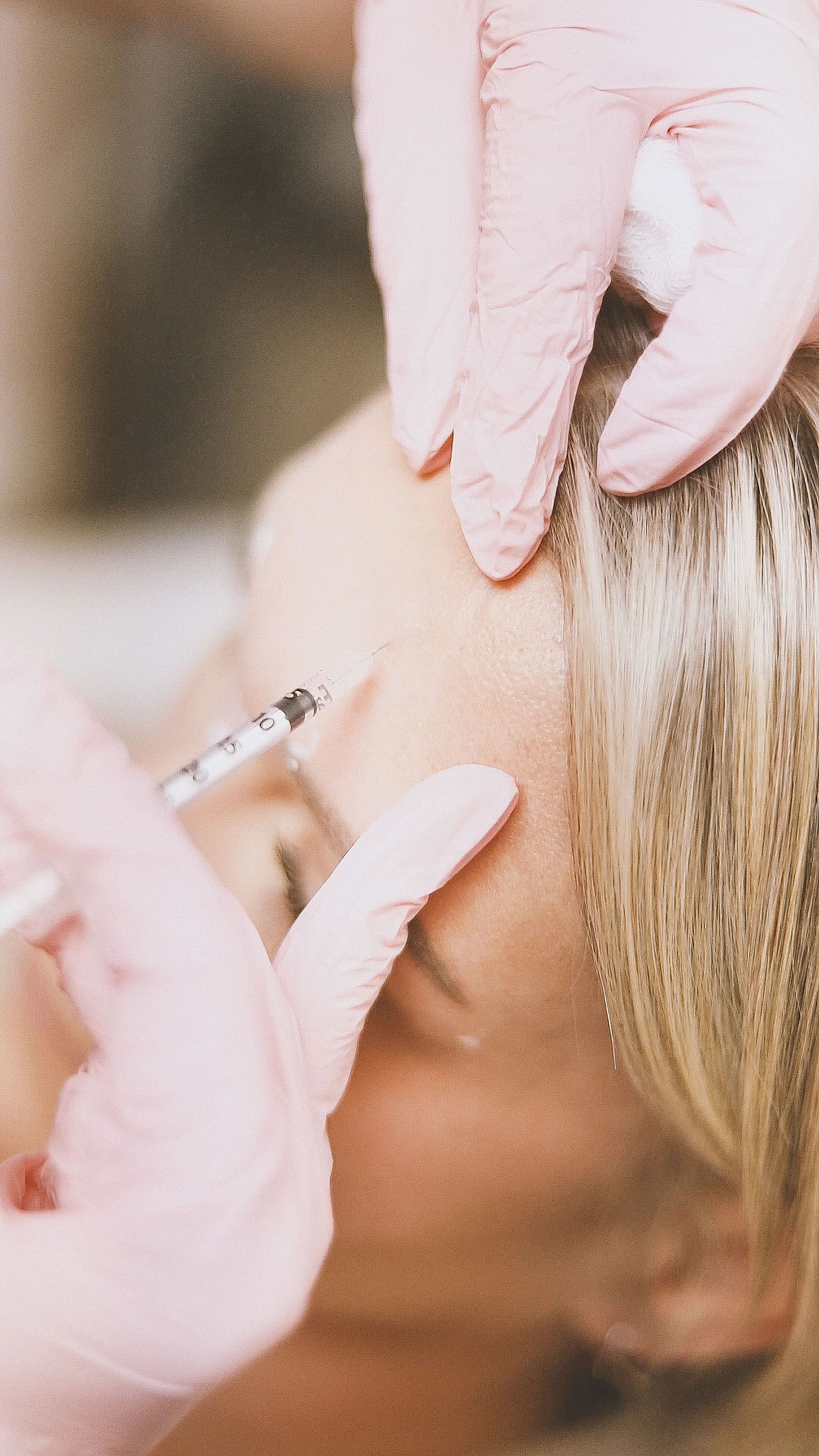
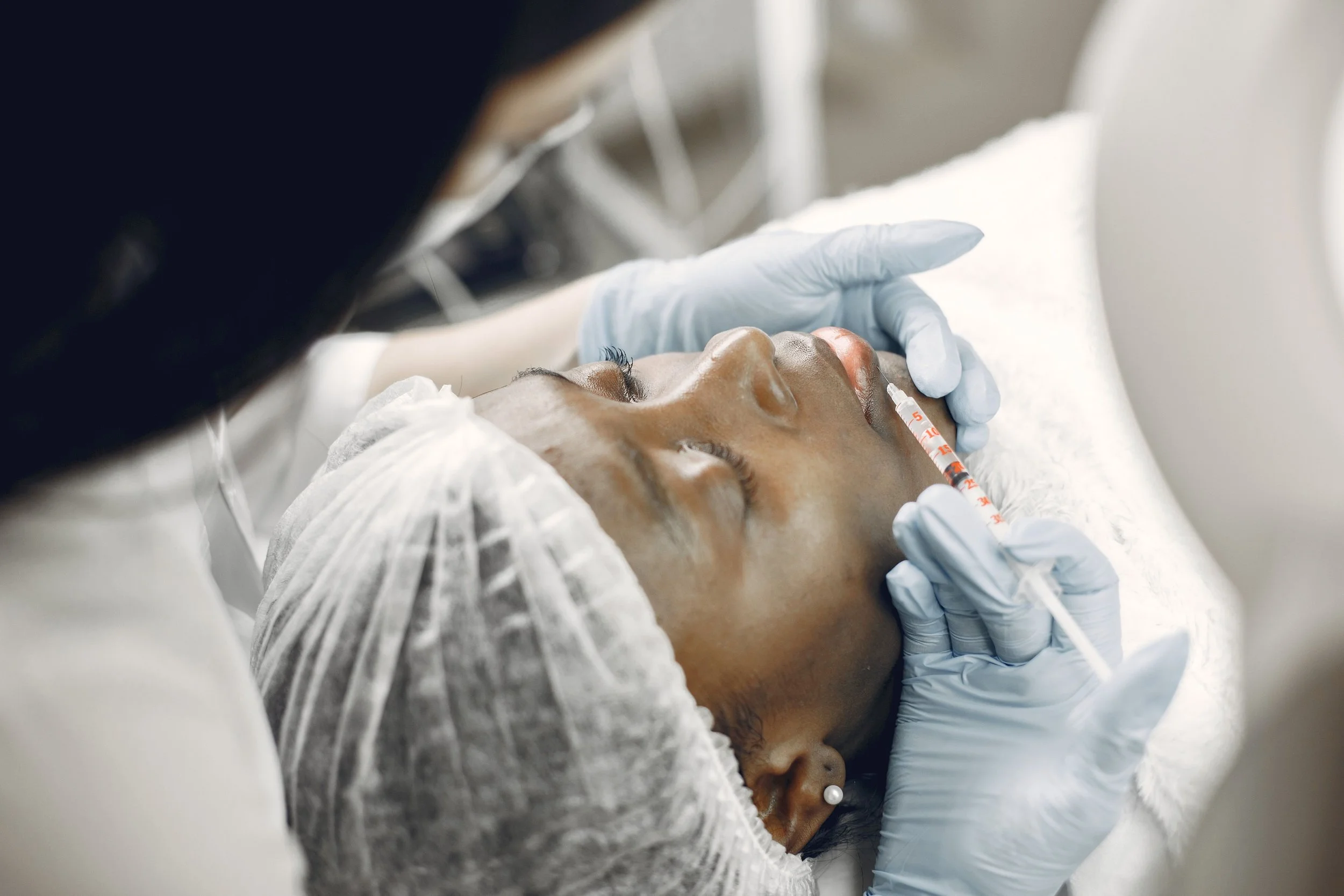
Meet Boey®: Europe Approves the First Short-Acting “Try-Before-You-Commit” Botulinum Toxin (Botox) Treatment
A new kind of wrinkle-relaxing injection has just been approved across Europe — one that works within hours and wears off in weeks. Here’s what it is, how it differs from traditional anti-wrinkle treatments, and what it could mean for anyone who’s ever felt curious but cautious about injectables.
The Prescriber You Never Met: The Hidden Problem Behind Your Botox
Picture this scene: You are sitting in a treatment room. Someone you like and trust is about to inject a prescription-only medicine into your face. The vial appears, the needle is drawn up, and at no point does anyone mention the person whose signature made that treatment legal — the prescriber.
In a great many cases, you will never meet them. In some, they will never have laid eyes on you at all.
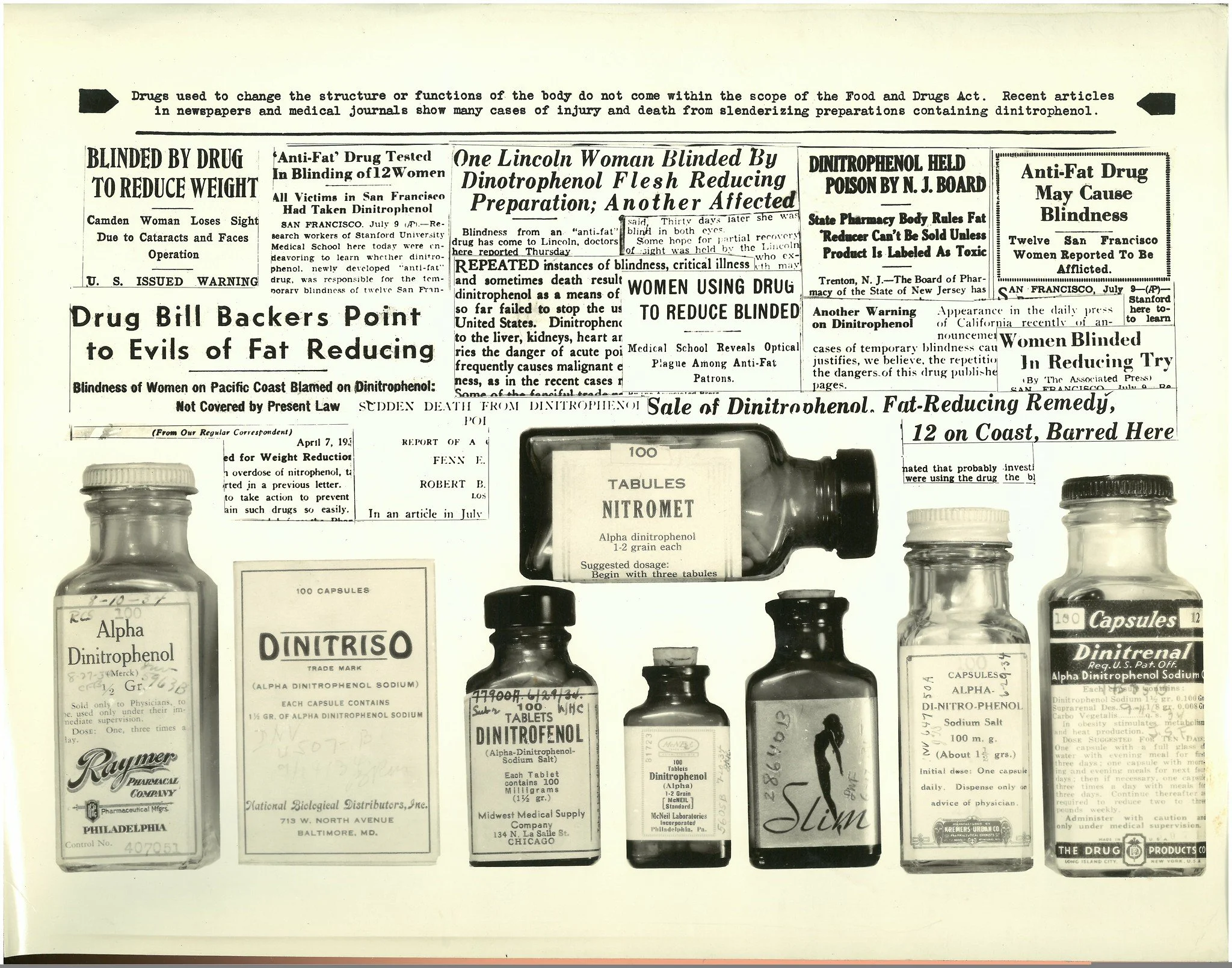
The Chamber of Horrors: When Cosmetics Really Were Dangerous
In 1933, a shocking exhibit toured America, displaying products that had blinded women, caused permanent hair loss, and even killed unsuspecting consumers. The "American Chamber of Horrors," as it came to be known, featured genuinely toxic cosmetic products, that contrast sharply with how remarkably safe modern products actually are.
Yet somehow, in our era cosmetic safety and regulation, we've developed an irrational fear of "chemicals" and "toxins" in beauty products. The irony is striking: we've never been safer from cosmetic harm, yet we've never been more frightened of our makeup bags.
Let's explore how the real horrors of unregulated cosmetics led to the robust safety framework we have today - and why most modern "clean beauty" fears fundamentally misunderstand how cosmetic regulation actually works.

The Dark Origins of Retin-A: How Prison Experiments Led to Modern Anti-Ageing Treatment
Some of the most groundbreaking discoveries in medicine happen completely by accident. From penicillin to X-rays, chance has shaped modern healthcare in ways we could never have planned. But perhaps no accidental discovery has had quite the same impact on dermatology and aesthetics as the revelation that a powerful acne treatment could turn back the clock on ageing skin.
Let explore the story of how tretinoin - also known as Retin-A - went from being a treatment for severe acne to becoming the gold standard in anti-ageing skincare. Because, as we shall see, behind this revolutionary treatment lies one of dermatology's darkest chapters.
Are We Really Capitalising on Insecurities? A Doctor's Honest Take on Aesthetic Medicine and Ageing
I have had the immense pleasure of being interviewed by Clare Johnston, a wonderful journalist who founded the Honest Channel and writes on her website the Honest Voice. In a conversation we had, she asked me a question that deserves to be carefully considered: "Are you capitalising on the insecurities of ageing men and women and potentially even heightening their anxieties?"
It's a fair question. A valid question. And honestly, an important one that every aesthetic clinician should be asking themselves regularly.
Let's tackle this head-on.

A growing corner of the internet has decided that sunscreen — not the sun — is the real villain. As a doctor who spends a fair amount of her week looking at sun-damaged skin, I'd like to take that idea apart.
Here's what the actual science says about chemical filters, "hormone disruption," coral reefs, benzene and the rest — and the one thing the skeptics are genuinely, annoyingly, a little bit right about.