
Don't Die: What Bryan Johnson Gets Wrong About Longevity (and What Actually Works)
A tech millionaire spends two million dollars a year, swallows dozens of pills a day, and once had his teenage son's blood pumped into his veins — all to avoid dying. It's a mesmerising spectacle. It's also, for almost everything that matters, a very expensive way of ignoring what we already know. Because the real longevity "hacks" are unglamorous, unpatentable, and backed by mountains of actual evidence. And look — maybe it’s boring, but it’s free.

Let me introduce you to the most famous man in "longevity," in case the algorithm has somehow spared you.
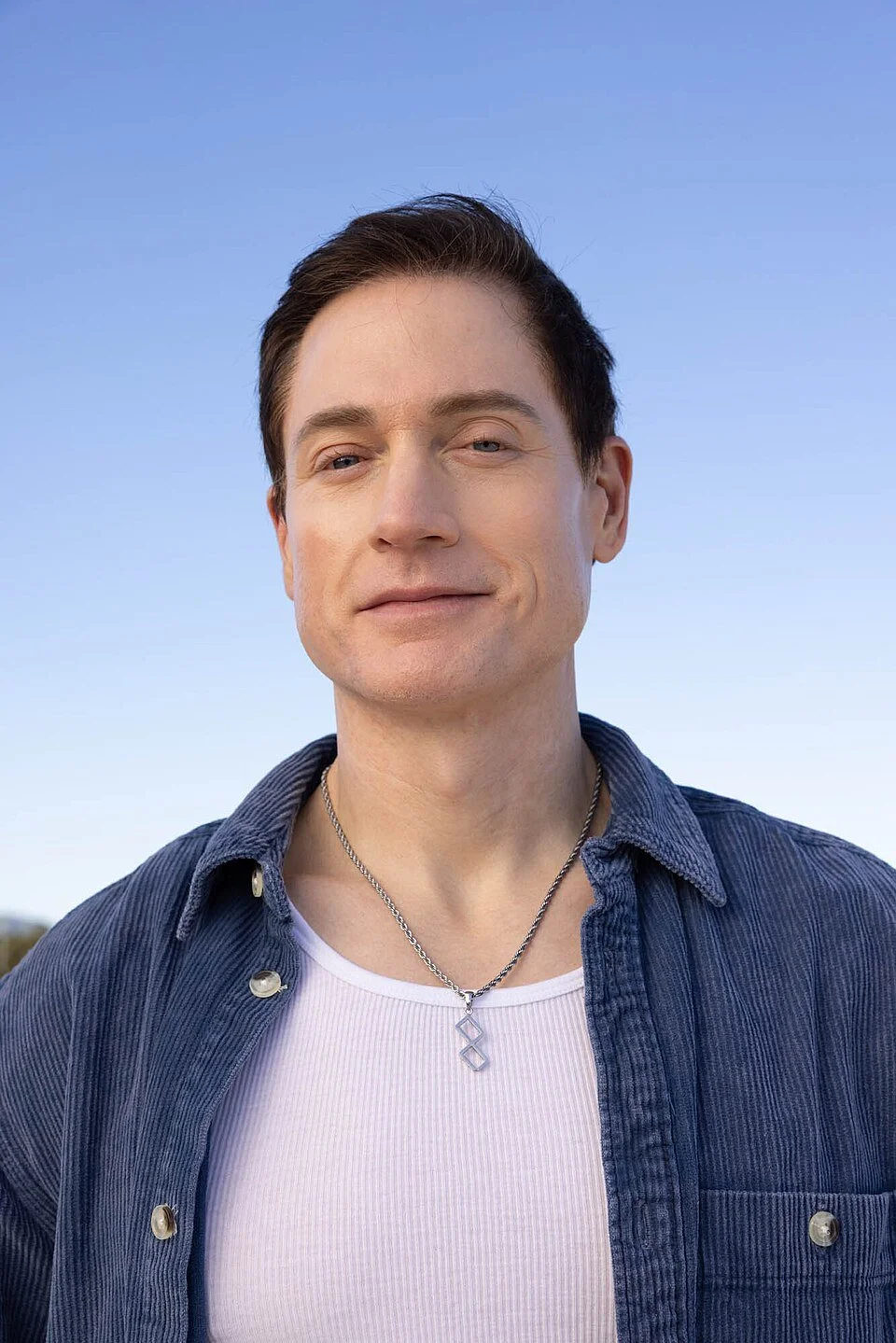
An image of Blueprint founder from 2026. CC BY 4.0
Bryan Johnson is a tech entrepreneur who sold his company for a fortune and now spends a reported $2 million a year on a project he calls Blueprint, with the stated goal — I promise I'm not embellishing — of not dying. He takes dozens of supplements a day (early on, north of fifty pills), eats a rigidly controlled diet, exercises with military discipline, measures 50-odd biomarkers, and has trialled everything from plasma transfusions with his own son to growth hormone to rapamycin to gene therapy. He says he's "reversed" his biological age by around five years, and he's built a whole media empire — a Netflix documentary, a movement called "Don't Die," and, not incidentally, an online shop selling the very supplements he takes.
And look — I want to be fair to him. Some of what Johnson does is genuinely sensible (because it’s quite basic). He's transparent, he publishes his data, and the foundations of his routine — daily exercise, good sleep, no smoking, a wholefood diet — are exactly right. More on that in a moment, because it's the whole point.
But the two-million-dollar cathedral built on top of those foundations? That's where it tips from health into theatre. And I think the theatre is actively bad for the rest of us, because it sells a lie: that longevity is a product — buyable, exclusive, high-tech — when the real thing is mostly free, deeply boring, and available to you this afternoon.
The problem with an experiment that has one participant
Here's the first thing a doctor notices. Johnson's entire protocol is an n-of-1 experiment — a single person, taking a hundred things at once, with no control group. In the hierarchy of medical evidence, that sits at the very bottom: it's an anecdote wearing a lab coat.
Even if every one of his biomarkers is glowing, there is no way — none — to know which of his hundred interventions did anything, whether they'd do the same in you or me, or whether a reasonably wealthy, health-obsessed man doing the basics diligently would have landed in much the same place for a tiny fraction of the cost. And tellingly, when Johnson has actually looked closely at individual interventions, several have failed his own tests. He stopped the plasma exchanges, reporting no benefit. He stopped growth hormone over side effects. In 2024 he stopped taking rapamycin — one of the most hyped longevity drugs going — after concluding the downsides outweighed any benefit. Which is, if you squint, quietly damning: the man running the world's most expensive longevity experiment keeps discovering that the exotic bits don't work.
So what does work?
We know. We've known for years.
The four "hacks" that actually have the evidence
None of the following is sexy. None of it is for sale (well — a gym membership and some vegetables, maybe). All of it is backed by exactly the kind of evidence Johnson's protocol lacks: large randomised trials and enormous prospective studies of real, ordinary humans. Here are the receipts.
1. Move your body — the single best-evidenced thing on the list

If physical activity were a pill, it would be the most valuable drug ever discovered, and every longevity influencer would be selling it at a markup.
The evidence is overwhelming and consistent. Meeting the standard guideline — around 150–300 minutes of moderate activity a week — is associated with substantially lower death rates from all causes, and the biggest jump in benefit comes from doing any activity versus none. You don't even need a gym or 10,000 steps: a meta-analysis of fifteen international cohorts found that mortality risk keeps falling as daily steps rise, with the benefit levelling off at a very achievable ~6,000–8,000 steps a day for older adults (and around 8,000–10,000 for younger ones). Even walking has a dose-response curve pointing the right way. Add muscle-strengthening exercise twice a week — the other half of the guideline, and the bit everyone forgets — and you're independently lowering your risk of dying further. No plasma required. Just a brisk walk and, ideally, some resistance work.
2. Eat like the evidence tells you to (it's not a mystery)
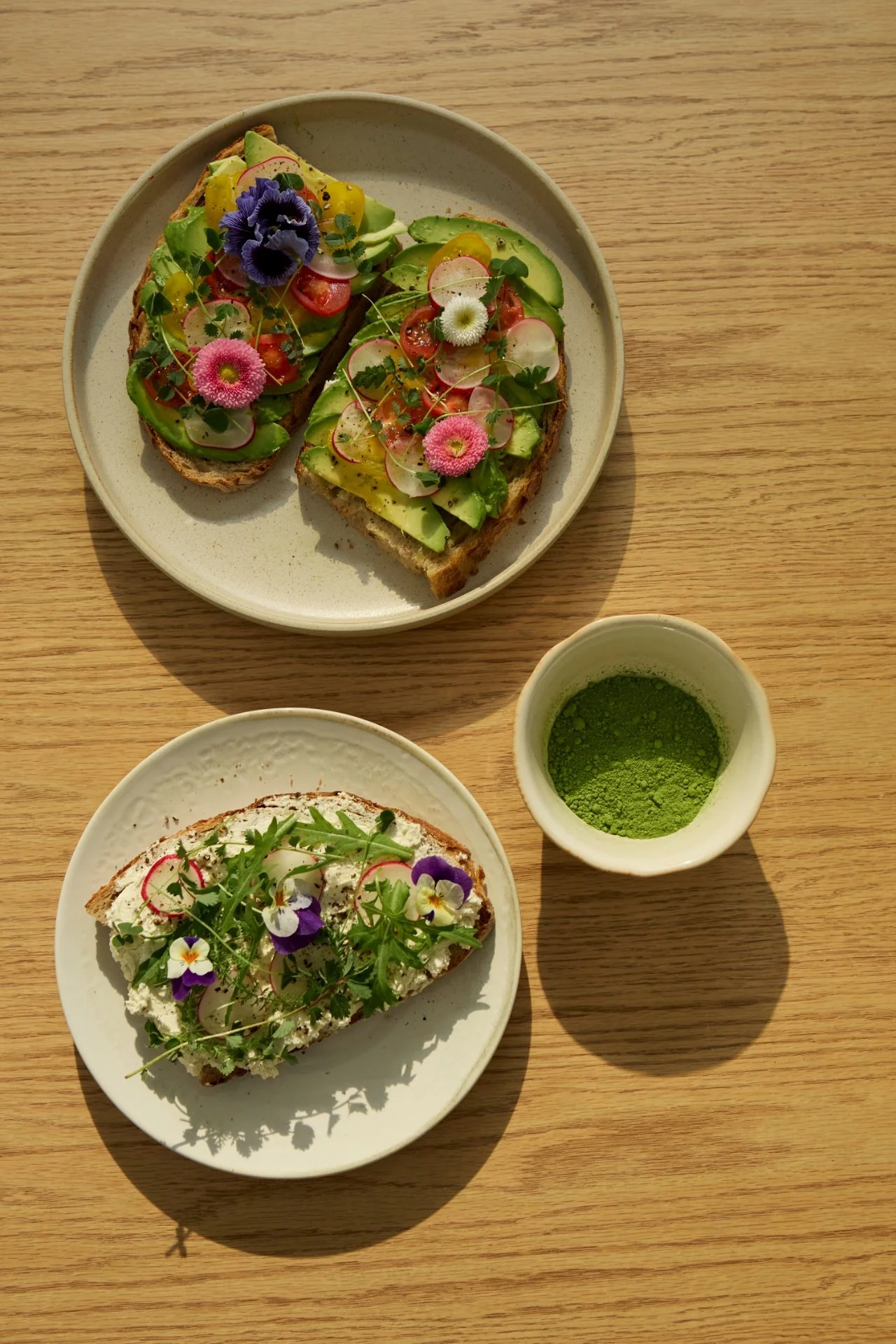
We love to pretend nutrition science is hopelessly confusing so we can justify the latest gimmick. But on the big questions it isn't — and here's the nuance the "one perfect diet" crowd always skips: there isn't a single winning diet. There are several, and they mostly agree with each other.
The best illustration of how strong the evidence can be is the PREDIMED trial — an actual randomised controlled trial, the gold standard, in thousands of people at high cardiovascular risk — which found a Mediterranean-style diet enriched with extra-virgin olive oil or nuts cut major cardiovascular events (heart attack, stroke, cardiovascular death) by roughly 30% versus a control diet. That's a genuinely impressive result from how you eat. No supplement in Johnson's cabinet (or any supplement for that matter) has RCT evidence remotely that good for hard outcomes.
But Mediterranean is not the answer — it's an answer, and one of several. When Harvard researchers followed around 120,000 people for up to 36 years, higher adherence to any of four different healthy patterns — a Mediterranean-style diet, a healthy plant-based diet, the US dietary-guidelines pattern, and the "Alternate Healthy Eating Index" — was associated with a 14–20% lower risk of dying over the study, along with fewer deaths from heart disease, cancer and respiratory disease. This is exactly why the current Dietary Guidelines deliberately describe more than one healthy pattern so it can be adapted to different cultures, budgets and tastes.
What these have in common is that they all lean on vegetables, fruit, whole grains, legumes, nuts and healthy fats, and they all keep ultra-processed food, added sugar and excess red and processed meat to a minimum. The label on top matters far less than those shared bones. So the honest, non-gimmicky answer to "what should I eat to live longer?" is: a mostly-plant, minimally-processed pattern you genuinely enjoy and can stick to for life.
3. Sleep — the free performance-enhancer we treat as optional

Here's the one high-achievers love to skip, and it's a mistake. Sleep is not lost productivity; it's non-negotiable biological maintenance.
Pooled data across dozens of cohort studies show a U-shaped relationship between sleep and death: both short sleep (consistently under ~6 hours) and very long sleep are associated with higher all-cause mortality, with the sweet spot around 7–8 hours for most adults. And it's not just how long you live but how well: chronically sleeping six hours or less in midlife has been linked in large long-term studies to a meaningfully higher risk of later dementia.
You cannot biohack your way out of sleep deprivation with a supplement stack. The intervention is going to bed. It's free, and it's one of the best things you can do for your brain and your lifespan.
4. Community — the "hack" nobody can sell you, and maybe the most important

This is the one that gets left off every biohacker's dashboard, because you can't measure it on a wearable or bottle it — and it may be the closest thing to a genuine longevity secret we have.
A landmark meta-analysis by Julianne Holt-Lunstad and colleagues, pooling 148 studies and over 300,000 people, found that people with stronger social relationships had a 50% higher likelihood of survival over the follow-up period. Let that sink in: the survival benefit of good social connection is on a par with — and by some estimates exceeds — the harms of well-known killers like smoking and obesity.
Loneliness and social isolation are now recognised as serious, independent risk factors for early death. And the Harvard Study of Adult Development — which has followed people for over eighty years, one of the longest studies of human life ever run — keeps arriving at the same unfashionable conclusion: the strongest predictor of who stays healthy and happy into old age isn't cholesterol or income. It's the warmth of your relationships. Good relationships in midlife predicted better health decades later.
Why the farce sells (and the real stuff doesn't)
So if the evidence is this clear and this free, why is the entire cultural conversation about a man drinking his son's plasma rather than about, say, phoning your mum and going for a walk?
It probably doesn’t help that nobody can patent a brisk walk. There's no premium subscription for eight hours' sleep, no $185 kit for having friends. The obvious, proven interventions are commercially useless because they're free and universal — so the wellness industry has to manufacture something scarce, technical and buyable to sell you instead. Extreme biohacking is the perfect product: it's photogenic, it's exclusive, it flatters the buyer that discipline and money can outwit death, and it quietly reframes health as a luxury good rather than a birthright.
And there's a quieter harm underneath the silliness, one I'd gently raise as a doctor. Johnson has described his life as run by an algorithm — his own words, that his mind "no longer decides." But the very things that most reliably predict a long, good life — warm relationships, community, unhurried time with people you love — are the first casualties of a life optimised down to the minute and measured against a dashboard. There is a real risk of becoming so busy not dying that you forget to live. The data on connection suggests the joyless, isolated pursuit of longevity may be self-defeating on its own terms.
So you know the tune by now. An industry manufactures scarcity and complexity around something that is actually simple, free and well-understood — then sells the complicated version back to you at a markup, wrapped in the language of science. It's the appeal-to-novelty cousin of every other trend on this blog: the assumption that the newest, priciest, most high-tech option must be superior to the boring, proven, cheap one. In longevity, as in skincare, it usually isn't.
Bryan Johnson is not a villain. He's a fascinating, disciplined man running an expensive experiment on himself, and I wish him well. But he is not a shortcut you need to buy your way toward. The unsexy truth is that the highest-yield "longevity protocol" on Earth has been sitting in plain sight for decades.
The bottom line

If you want to give yourself the best evidence-based shot at a long, healthy life, here is the entire protocol, and you can start today for free: move most days (aim for the guideline 150 minutes a week, some steps, and strength work twice a week); eat mostly plants and minimally processed food — in whichever healthy pattern suits you (Mediterranean, DASH and plant-based all have the evidence); protect your 7–8 hours of sleep like it's medicine, because it is; don't smoke, go easy on alcohol; and — the one that matters more than any pill — invest in your relationships and your community. That's it. That's the whole thing. It's not a secret, it's not for sale, and it will do more for you than two million dollars of anyone's supplements. The best longevity hack was never a hack at all.
Before we wrap up, a necessary word on privilege. I'm aware that everything I've just described comes far more easily to some than to others — and it would be glib to pretend otherwise. Not everyone has an able body that can go for a walk, or the money for a gym, or a supermarket nearby that sells fresh food they can actually afford, or family and friends within reach rather than scattered across the world. These "free" longevity hacks are only free if the world around you is built to allow them — and for millions of people, it isn't. So the honest conclusion isn't just "go for a walk and eat your vegetables." It's that if the things that most reliably keep us healthy and alive are movement, good food, rest and human connection, then the most powerful longevity intervention of all is a society that makes those things accessible to everyone: safe places to walk, affordable nutritious food, time to rest, and communities that don't leave people isolated. Bryan Johnson can buy his way around a broken system. Most people can't — and shouldn't have to. Looking after our own health matters, but looking after one another, and building the infrastructure that lets everyone reach these basics, matters just as much. That's the version of "don't die" I can actually get behind.

References
Longevity or marketing? Dissecting the claims of the Blueprint protocol. American Council on Science and Health. 2025. Available from: https://www.acsh.org/news/2025/02/10/longevity-or-marketing-dissecting-claims-blueprint-protocol-49290
Johnson B. "I stopped taking rapamycin." Blueprint / Bryan Johnson. Available from: https://blueprint.bryanjohnson.com/blogs/news/i-stopped-taking-rapamycin
World Health Organization. Physical activity — fact sheet (150–300 minutes/week guidance; muscle-strengthening twice weekly). Available from: https://www.who.int/news-room/fact-sheets/detail/physical-activity
Paluch AE, et al. Daily steps and all-cause mortality: a meta-analysis of 15 international cohorts. The Lancet Public Health. 2022. Available from: https://www.thelancet.com/journals/lanpub/article/PIIS2468-2667(21)00302-9/fulltext
Daily steps and health outcomes in adults: a systematic review and dose-response meta-analysis. The Lancet Public Health. 2025. Available from: https://www.thelancet.com/journals/lanpub/article/PIIS2468-2667(25)00164-1/fulltext
Dose–response associations, physical activity intensity and mortality risk: a narrative review. Journal of Sport and Health Science / PMC. 2024. Available from: https://pmc.ncbi.nlm.nih.gov/articles/PMC10818107/
Estruch R, et al. Primary prevention of cardiovascular disease with a Mediterranean diet supplemented with extra-virgin olive oil or nuts (PREDIMED). New England Journal of Medicine. 2018. Available from: https://www.nejm.org/doi/full/10.1056/NEJMoa1800389
Long-term impact of Mediterranean diet on cardiovascular disease prevention: systematic review and meta-analysis of RCTs. PubMed. 2024. Available from: https://pubmed.ncbi.nlm.nih.gov/38431146/
Shan Z, et al. Healthy eating patterns and risk of total and cause-specific mortality (~120,000 adults, up to 36 years; higher adherence to HEI-2015, Alternate Mediterranean, Healthful Plant-Based and AHEI each associated with 14–20% lower all-cause mortality). JAMA Internal Medicine. 2023. Available from: https://pubmed.ncbi.nlm.nih.gov/36622660/
US Departments of Agriculture and Health & Human Services. Dietary Guidelines for Americans, 2020–2025 (multiple healthy dietary patterns: Healthy US-Style, Healthy Mediterranean-Style, Healthy Vegetarian; shared core of vegetables, fruit, whole grains, legumes, nuts; limit added sugars, saturated fat, sodium). Available from: https://www.dietaryguidelines.gov/
Cappuccio FP, et al. Sleep duration and all-cause mortality: a systematic review and meta-analysis of prospective studies. Sleep. 2010. Available from: https://pubmed.ncbi.nlm.nih.gov/20469800/
Nighttime sleep duration and risk of all-cause mortality: a meta-analysis of prospective cohort studies. Scientific Reports. 2016. Available from: https://www.nature.com/articles/srep21480
Sabia S, et al. Association of sleep duration in middle and old age with incidence of dementia (Whitehall II; ≤6 hours and raised dementia risk). Nature Communications. 2021. Available from: https://www.nature.com/articles/s41467-021-22354-2
Holt-Lunstad J, Smith TB, Layton JB. Social relationships and mortality risk: a meta-analytic review (148 studies; ~50% increased likelihood of survival). PLOS Medicine. 2010. Available from: https://journals.plos.org/plosmedicine/article?id=10.1371/journal.pmed.1000316
Holt-Lunstad J, et al. Loneliness and social isolation as risk factors for mortality: a meta-analytic review. Perspectives on Psychological Science. 2015. Available from: https://journals.sagepub.com/doi/full/10.1177/1745691614568352
Harvard Study of Adult Development — overview and findings on relationships as predictors of long-term health and happiness (Waldinger). Harvard Gazette. Available from: https://news.harvard.edu/gazette/story/2017/04/over-nearly-80-years-harvard-study-has-been-showing-how-to-live-a-healthy-and-happy-life/
Muscle-strengthening activities and risk of all-cause mortality: systematic review and meta-analysis. British Journal of Sports Medicine. Available from: https://bjsm.bmj.com/content/56/13/755

A tech millionaire spends two million dollars a year, swallows dozens of pills a day, and once had his teenage son's blood pumped into his veins — all to avoid dying. It's a mesmerising spectacle. It's also, for almost everything that matters, a very expensive way of ignoring what we already know. Because the real longevity "hacks" are unglamorous, unpatentable, and backed by mountains of actual evidence. And look — maybe it’s boring, but it’s free.