
Sephora Kids: What Anti-Ageing Skincare Is Doing to Children
A while ago I wrote about teenagers and skincare. Since then the whole thing has shifted — younger, pricier, and driven by an algorithm selling anti-ageing to children who don't yet have a wrinkle to prevent. And now, for the first time, there's hard data on what it's doing to their skin. And it isn't pretty.
I've written before about teenagers and skincare (you can read that here) — a fairly measured piece about acne, actives and not overdoing it. I stand by all of it. But the ground has moved since, and moved in a genuinely alarming direction, so this is as much of an update as a warning.
Because the customer has changed. It's no longer sixteen-year-olds with spots. It's ten-year-olds — sometimes seven-year-olds — clutching £68 serums, filming elaborate multi-step routines for TikTok, and using potent anti-ageing ingredients on skin that is, developmentally, a baby's.
We've started calling them "Sephora kids," and it would be amusing if it weren't so harmful.
Let me explain what's actually going on, and — crucially — what the new evidence shows.
How we got from spots to serums
The teen skincare of my day was a tube of something for acne and a lot of hope. What's happening now is a different beast entirely, and it's a marketing triumph.
Brands built for adult "glow" — the pastel, sensory, collectible ones — became playground status symbols. TikTok turned the "get ready with me" routine into a genre, and tweens, being tweens, wanted in. The result is primary-school children applying vitamin C, exfoliating acids, retinol and a stack of "brightening" and "anti-ageing" actives, in the earnest belief that this is self-care — and, more troublingly, that their perfectly smooth ten-year-old faces are projects in need of correcting.
Sit with the absurdity of that for a second: we are selling anti-ageing products to children. To people whose defining feature is that they have not aged.
The evidence is here — and it's damning
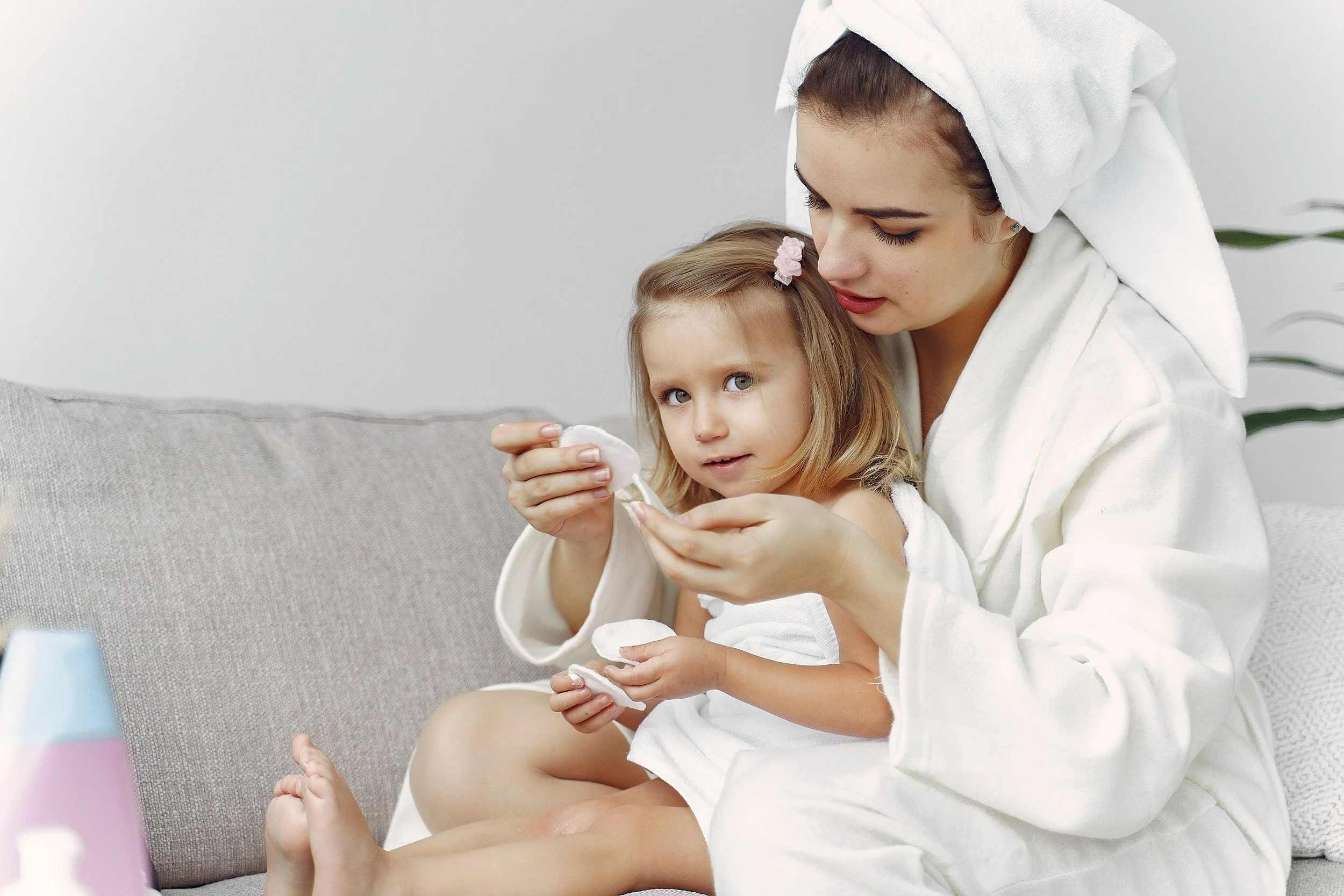
Here's what makes this more than a doctor tutting at TikTok. In June 2025, researchers at Northwestern published a study in Pediatrics — and they did it cleverly, setting up accounts posing as thirteen-year-olds and analysing 100 of the skincare routines the algorithm served up. The numbers are startling:
The girls in these videos — aged seven to eighteen — used an average of six products a day, with some routines topping a dozen. The top-viewed videos featured an average of eleven potentially irritating active ingredients. The average routine cost around £130–170, and some ran past £500. And the single most damning statistic, from a doctor's point of view: only 26% of the daytime routines included sunscreen — the one product that would actually protect young skin.
In one video, a child applied ten products in six minutes and visibly reacted to them on camera, wincing, her skin stinging, still filming. The researchers' verdict was blunt: these regimens offer "little to no benefit" for the children they target, and carry real risk.
Why actives are wrong for young skin
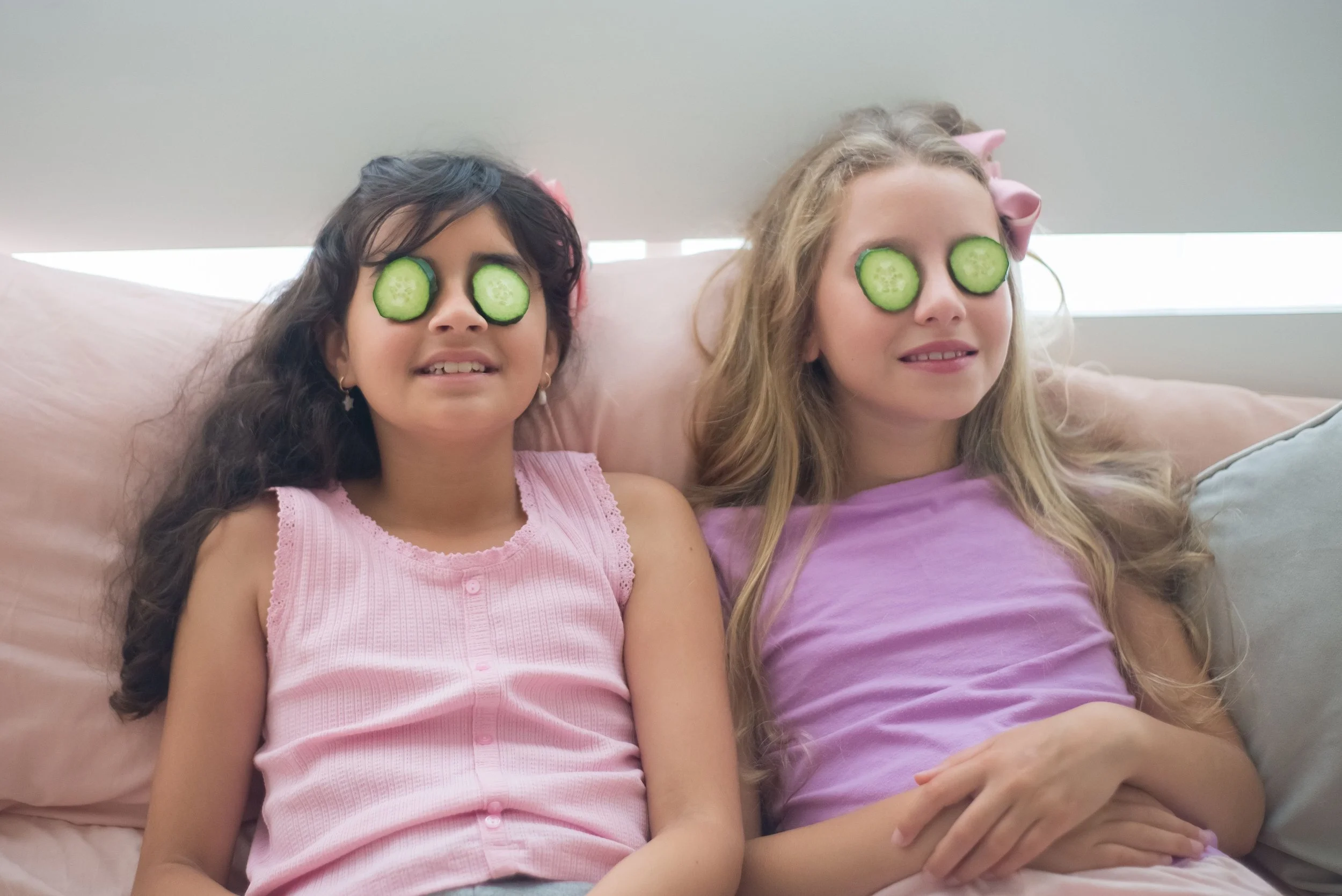
Let me put it plainly. A child's skin barrier is not a smaller version of an adult's — it's still maturing, thinner and more permeable, and it simply does not need, and cannot safely handle, the arsenal being marketed to it.
Piling on acids, retinoids and vitamin C does three predictable things: it irritates (redness, stinging, breakouts — the opposite of the goal), it makes skin more sensitive to the sun (which, combined with that 26% sunscreen figure, is a special kind of backwards), and it raises the risk of allergic contact dermatitis.
That last one matters more than it sounds. Sensitising young skin to fragrances and certain botanical ingredients can trigger allergies that don't go away. As the researchers noted, it can "limit the kinds of soaps, shampoos and cosmetics" a person can use for the rest of their life. A child chasing "glass skin" at nine can end up with a genuine, lifelong allergy at nineteen. That is a pretty high price for a trend.
There is no anti-ageing benefit here, because there is nothing to prevent. The wrinkle you don't have cannot be pre-empted by a serum. All the risk, none of the reward.
The part that isn't about skincare at all
But if I only talk about ingredients, I miss the bigger, sadder point — and the researchers put their finger on it too.
This was never really about skin. It's about teaching girls, younger and younger, that their appearance is a problem to be managed — that a face requires maintenance, vigilance, spending, and worry. One of the study's authors put it well: it's problematic to show girls devoting this much time and attention to their skin, when the "health" framing quietly smuggles in a very narrow, very commercial ideal of beauty. We are handing eight-year-olds the appearance anxiety that took the rest of us decades to develop, and dressing it up as a hobby.
That's the bit I find genuinely upsetting, as a doctor and as someone whose whole job is aesthetics. I believe in looking after your skin. I do not believe a child should be lying awake worrying that hers isn't "glowing" enough — or learning, at the age of nine, that the fix for a feeling is a purchase.
What children's skin actually needs
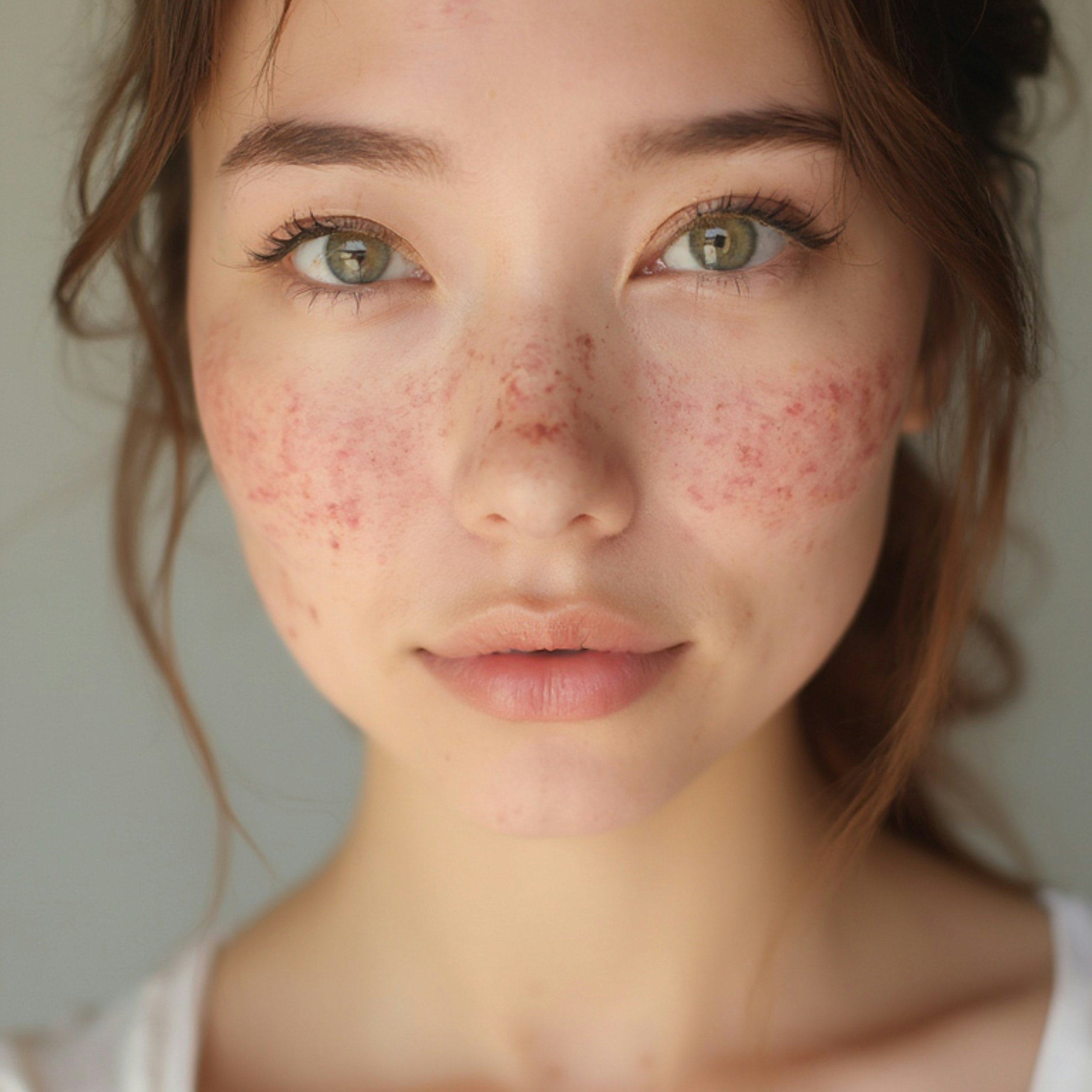
For a pre-teen, a good skincare routine is almost comically short: a gentle cleanser (or honestly, just a mild wash), a basic moisturiser if the skin is dry, and sunscreen. That's it. That's the whole thing. No acids, no retinol, no vitamin C, no ten-step anything. Their skin is already doing the "glowing" for free.
For a teenager with actual acne, there's a real role for evidence-based treatment — but it's specific (things like a gentle salicylic acid, benzoyl peroxide, or an adapalene), ideally guided by a medical professional rather than an algorithm, and introduced one thing at a time. That's not "Sephora kid" territory; that's medicine, and it's a world away from a twelve-step lymphatic-glow routine filmed for strangers.
And none of this is about shaming the children (they're doing exactly what a brilliantly targeted marketing machine designed them to do) or the parents, who are up against an algorithm engineered to override them. The villain here isn't a ten-year-old who likes a pretty bottle. It's an industry that worked out how to sell insecurity to primary schoolers.
The bottom line
When I wrote about teenagers and skincare, the worry was teens overdoing the actives. The worry now is smaller children being sold anti-ageing anxiety before they've finished primary school — and we finally have the data showing it delivers irritation, ruined skin barriers, possible lifelong allergies, a dented pocket, and precisely zero of the benefits promised.
If there's a child in your life mid-obsession, you don't need to stage an intervention or bin the lot. You need to tell them their skin is already good, hand them a cleanser and a sunscreen, and let them be nine.
References
Ashley E. Teenagers and skincare [Internet]. The Aesthetics Edit / Dr Emmaline. Available from: https://www.dremmaline.co.uk/blog/teenagers-and-skincare?rq=teenagers
Hales MM, et al. Pediatric skin care regimens on TikTok. Pediatrics. 2025;156(1):e2024070309. Available from: https://publications.aap.org/pediatrics/article/156/1/e2024070309/202103/Pediatric-Skin-Care-Regimens-on-TikTok
Northwestern University. TikTok teen skin care routines are harmful [news release; Internet]. June 2025. Available from: https://news.northwestern.edu/stories/2025/06/tiktok-teen-skin-care-routines-are-harmful
Kids' skin care TikToks are costly and counterproductive, study says [Internet]. The Washington Post; 23 June 2025. Available from: https://www.washingtonpost.com/health/2025/06/23/teens-skin-care-tiktoks-irritants/
TikTok skin care routines may cause allergies and irritation, researchers say [Internet]. Healthline. Available from: https://www.healthline.com/health-news/tiktok-beauty-routines-may-cause-skin-allergies-irritation
American Academy of Dermatology. Skin care for children and teens — age-appropriate routines [Internet]. Available from: https://www.aad.org/public/everyday-care/skin-care-basics/care/skin-care-for-teens

TikTok would like you to smear rendered beef fat on your face — for glowing, "ancestral," chemical-free skin. As ever, the truth is more boring and more useful than either the evangelists or the eye-rollers will tell you. So let me render it down: what tallow genuinely does, what it absolutely doesn't, and whether you should slather it on.