The Morning Shed: Should You Be Sleepmaxxing Your Skin?
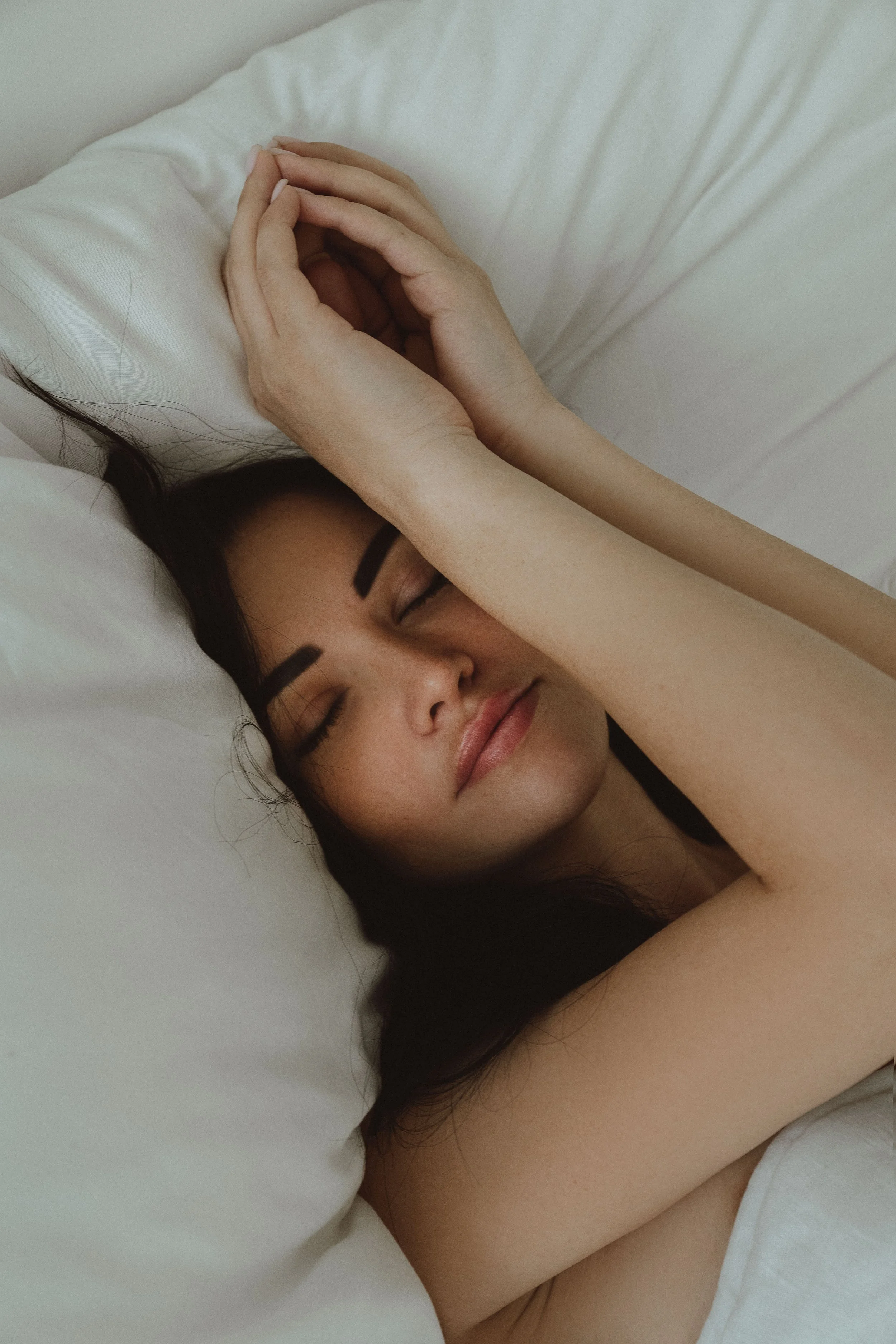
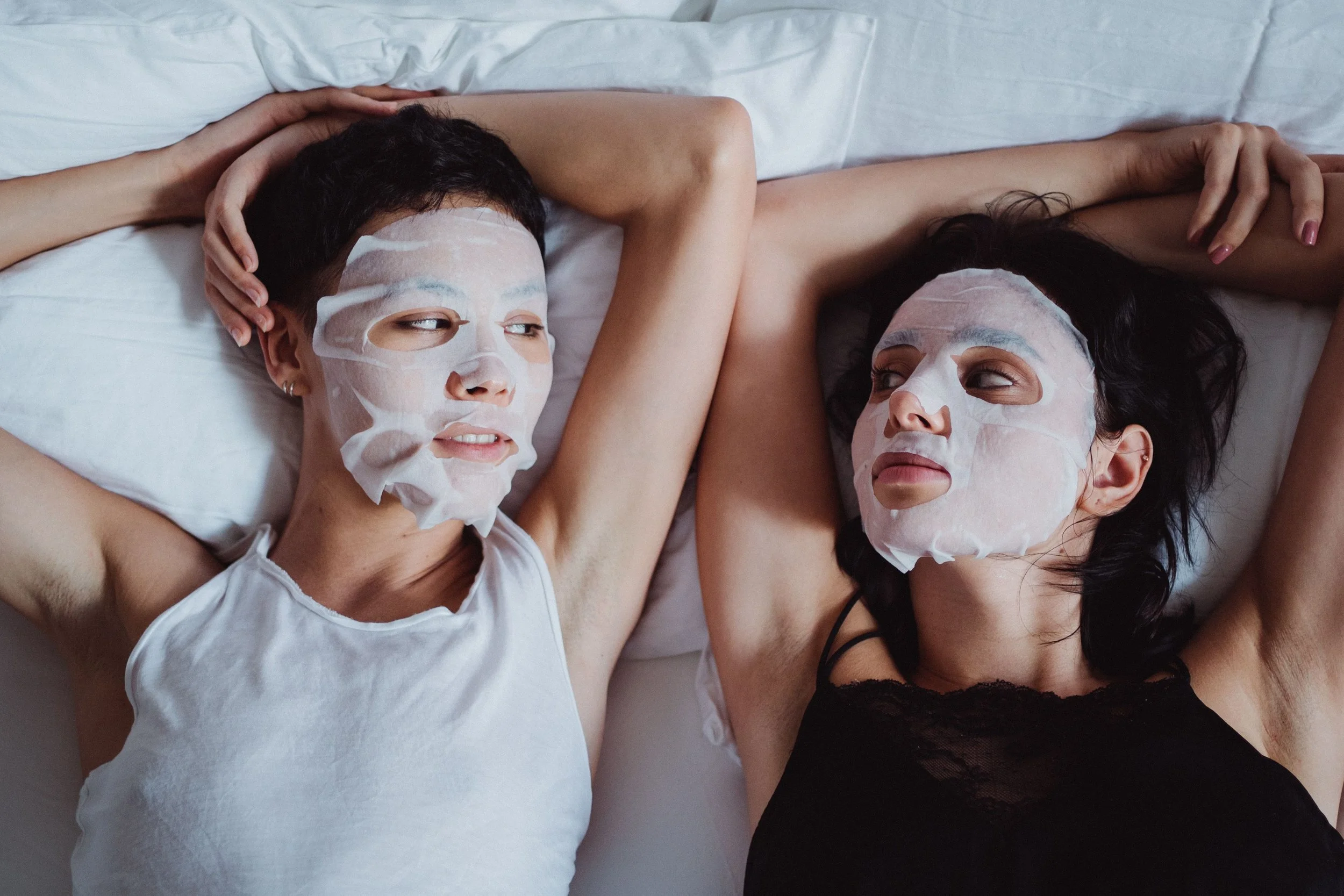
If you have spent any time on TikTok lately, you will have met the "morning shed." The premise is simple and strangely satisfying: you go to bed looking like a mummy — layered in serums, an occlusive mask, under-eye patches, a chin strap, a silk bonnet, perhaps a strip of tape across your mouth — and you wake up to peel it all away, revealing skin that is supposedly luminous, lifted and years younger. It is the latest chapter in "sleepmaxxing," the wider trend of optimising every hour of sleep for health and beauty.
I understand the appeal. There is something deeply reassuring about the idea that we can work on ourselves while we do nothing at all.
But as with so many viral rituals, the question I care about is not whether it looks impressive on camera. It is whether it is doing anything, and whether it is safe.
First, the part they get right
Let us give the trend its due, because there is a real scientific kernel underneath the theatre.
Sleep genuinely matters for your skin. In a frequently cited study, Oyetakin-White and colleagues found that poor-quality sleepers showed more signs of intrinsic ageing and a slower recovery of the skin barrier than good-quality sleepers, along with a lower opinion of their own appearance (Oyetakin-White et al., Clinical and Experimental Dermatology, 2015). It was a small, industry-funded study, so I would not oversell it — but it is consistent with what we understand about how the body repairs itself overnight. Your skin is not passive while you sleep; it is busy.
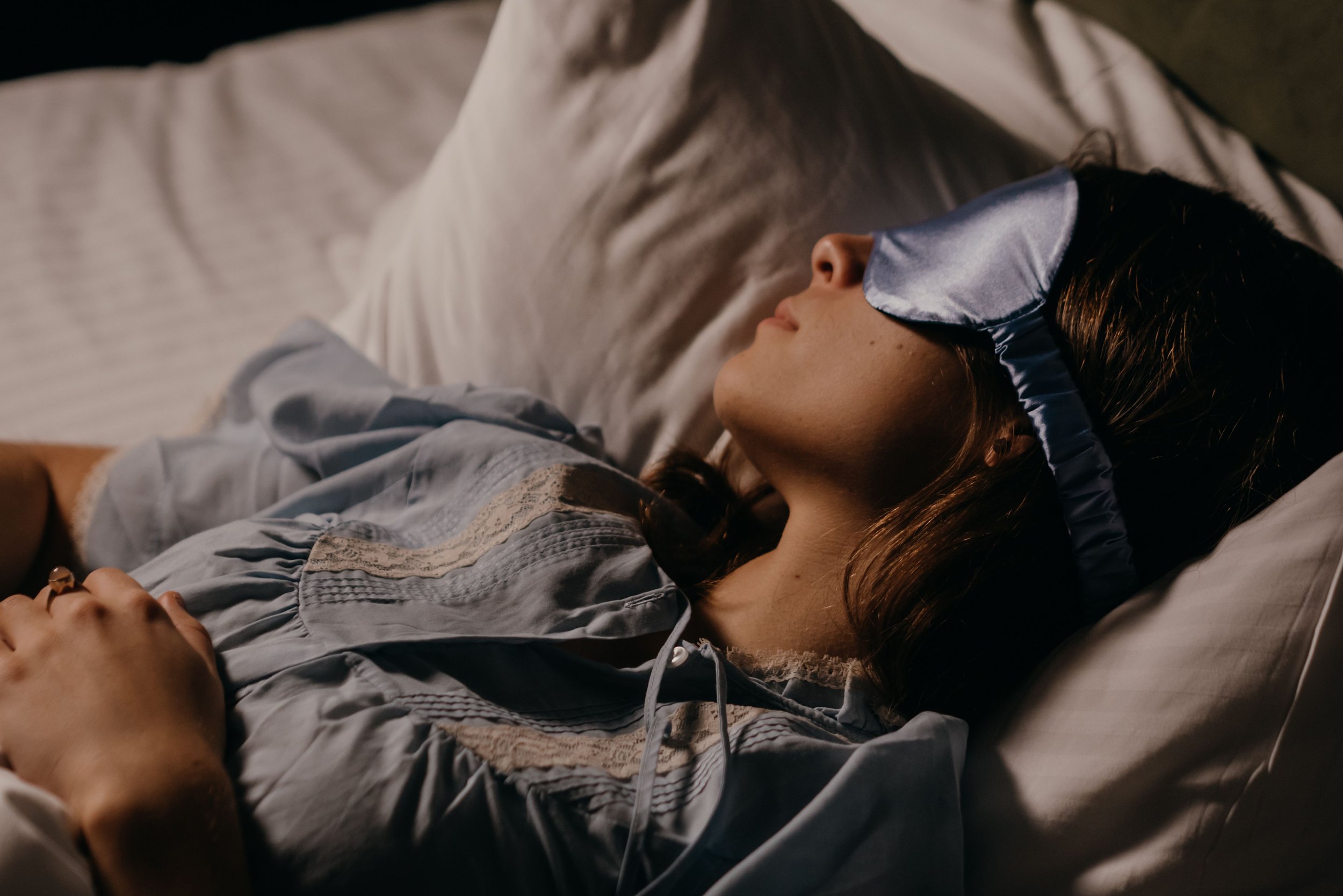
Sleep position matters too. When we sleep on our side or front, the face is compressed against the pillow night after night, and over years this contributes to so-called "sleep wrinkles" — lines that form through mechanical distortion rather than muscle movement. This is the one genuinely sensible instinct buried in the morning shed: friction and compression are real, and worth reducing.
So if the trend inspires you to protect your sleep, sleep on your back, and treat your pillowcase as part of your skincare — wonderful. Keep that. It is the rest of the ritual I want to talk about.
Where the morning shed goes wrong
More actives is not more results
The heart of the trend is layering: multiple serums, acids, retinoids and masks piled on in the name of maximal overnight repair. This is the single most common mistake I see, on and off social media. Potent actives layered without thought do not compound into better skin; they compound into a compromised barrier. Redness, stinging, flaking and a strange tightness are not signs that a routine is "working." They are signs that your skin is asking you to stop. Dermatologists have been sounding this note about the morning shed specifically, and they are right to (HealthCentral, 2025). Your barrier is the thing standing between you and every irritant, allergen and drop of water loss — and it does its best repair work when you leave it alone.
Mouth taping: the one that actually worries me
Of all the elements of the trend, this is the one I would ask you to think hardest about. Taping the mouth shut to force nasal breathing has been marketed as a route to a sharper jaw and better sleep, but the evidence does not support the promise and, more importantly, it carries real risk. A 2025 systematic review in PLOS One looked at ten studies and concluded plainly that "the existing data does not support mouth taping or oral occlusion as a sound clinical intervention for the general population with sleep disordered breathing." The authors went further, warning that oral occlusion "could pose a serious risk of asphyxiation in the presence of nasal obstruction or regurgitation.”
The danger here is specific and worth spelling out: many people have undiagnosed nasal obstruction or sleep apnoea and do not know it. For them, sealing the mouth overnight is not a beauty hack; it is a hazard. This is not a decision to make on the strength of a fifteen-second video. If you snore, wake unrefreshed, or suspect your breathing is disrupted at night, that is a conversation for your GP or a sleep specialist — not for a roll of tape.
Chin straps, face tape and the promise of a "snatched" jaw
Straps and lifting tapes worn overnight are sold as a way to redefine the jawline. I want to be clear and kind about this: there is no evidence that a strap worn while you sleep changes the underlying structure of your face. Your jaw is bone, muscle and fat; a fabric band does not remodel any of them. At best you wake to a temporary indentation that fades within the hour. At worst, tight elastic and adhesive left on skin for eight hours cause irritation and pull. The "lift" is theatre, not anatomy.
Under-eye patches, castor oil and the smaller claims
Under-eye patches can feel lovely and can transiently de-puff through cooling and hydration, but the effect is short-lived — pleasant, not transformative. Castor oil, meanwhile, is having a moment as an overnight treatment for lashes, brows and skin, yet the evidence that it grows hair or reverses ageing simply is not there, and it is a recognised cause of allergic contact dermatitis — not something I would encourage you to slather near the delicate eye area night after night (GoodRx, 2024). Silk bonnets and pillowcases are a gentler story: reducing friction is reasonable, and I have no objection to silk. Just know that the bigger driver of sleep lines is compression from your position, which silk does not fix.
The bigger picture
Step back, and a pattern emerges. The morning shed sells complexity — the more elaborate the ritual, the more it feels like self-care, and the more products it quietly requires you to buy. But your skin is not improved by the number of steps you perform. It is improved by the right few things, done consistently, and then left to do its own remarkable overnight work.
There is a irony here, too. A trend that lives under the banner of "sleepmaxxing" often works against sleep itself — an anxious, twenty-minute production line of patches and straps is not a recipe for rest, and rest is the part that was actually helping your skin. When a beauty routine starts to feel like a second job you perform at midnight, something has gone wrong with the brief.
What I would actually do
If you want to give your skin its best chance overnight, this is genuinely all it takes:
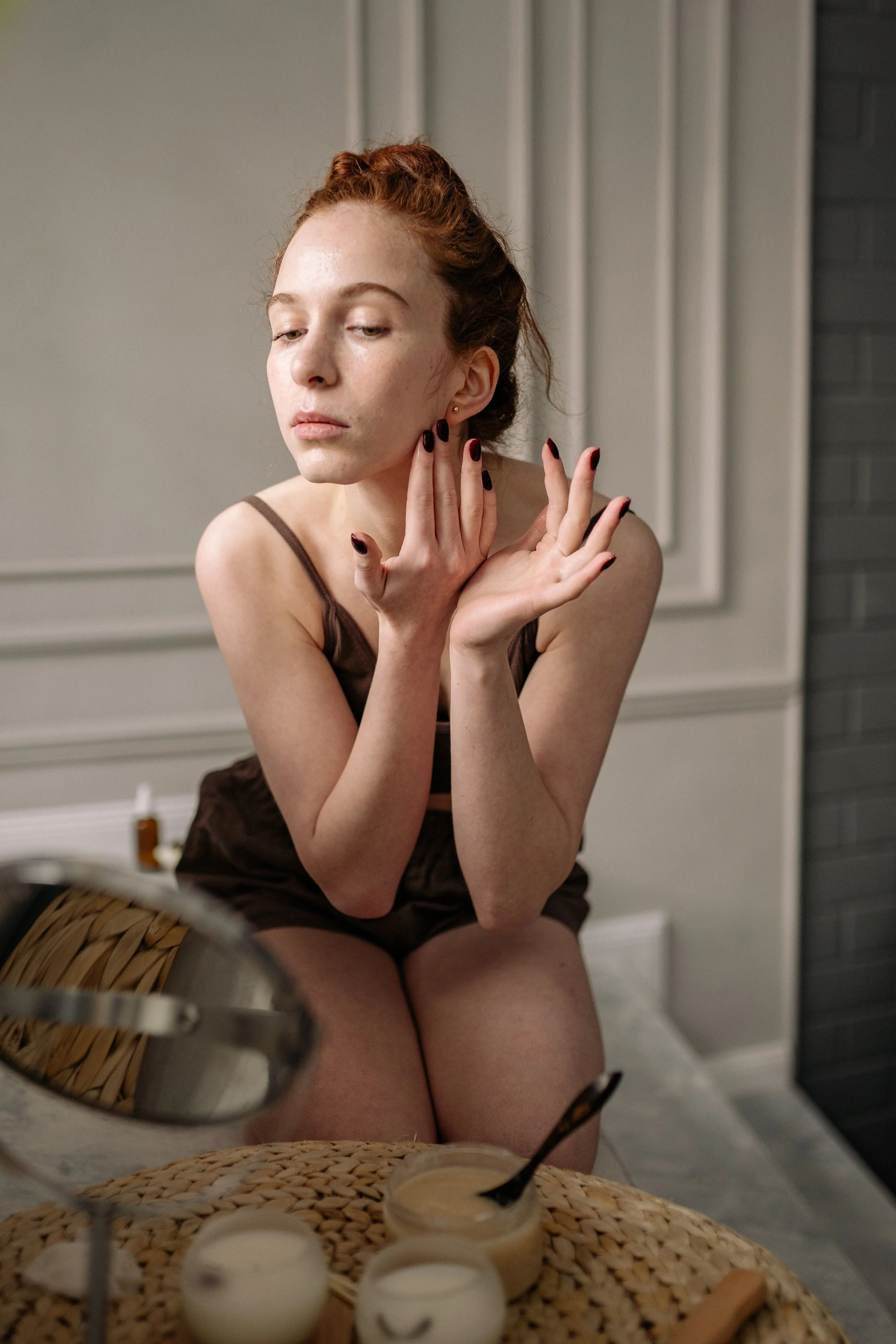
Cleanse to remove the day, then apply one targeted treatment suited to your skin — a retinoid two or three nights a week if you tolerate it, or a hydrating serum on the others.
Seal it in with a good moisturiser containing barrier-supporting ingredients like ceramides. If your skin is very dry, a light occlusive on top is fine — for most people, most nights, it is not necessary.
Protect your sleep as seriously as any serum: a consistent bedtime, a clean pillowcase, and back-sleeping if you are prone to sleep lines.
In the morning, cleanse, moisturise and — always — wear sunscreen. That last step will do more for how your skin ages than every patch and strap combined.
The morning shed makes for wonderful television. But healthy skin has never been about how much you can pile on before bed. It is about understanding what your skin actually needs, giving it exactly that, and then having the confidence to get out of its way. You should wake up looking like you — rested, cared for, and entirely yourself.


References
Oyetakin-White, P. et al. (2015). Does poor sleep quality affect skin ageing? Clinical and Experimental Dermatology. https://onlinelibrary.wiley.com/doi/abs/10.1111/ced.12455
Anson, G. et al. (2016). Sleep Wrinkles: Facial Aging and Facial Distortion During Sleep. Aesthetic Surgery Journal. https://academic.oup.com/asj/article-abstract/36/8/931/2613967
Rhee, J. et al. (2025). Breaking social media fads and uncovering the safety and efficacy of mouth taping in patients with mouth breathing, sleep disordered breathing, or obstructive sleep apnea: A systematic review. PLOS One. https://journals.plos.org/plosone/article?id=10.1371/journal.pone.0323643 (PubMed: https://pubmed.ncbi.nlm.nih.gov/40397877/)
HealthCentral (2025). Why TikTok's "Morning Shed" has dermatologists sounding the caution alarm.https://www.healthcentral.com/news/skin-health/why-tiktoks-morning-shed-has-dermatologists-sounding-the-caution-alarm
GoodRx (2024). Can you use castor oil for eyelashes? Benefits and risks.https://www.goodrx.com/health-topic/dermatology/castor-oil-for-eyelashes
Skin + Me (2024). Do silk pillowcases prevent wrinkles?https://www.skinandme.com/the-dose/do-silk-pillowcases-prevent-wrinkles/

TikTok would like you to smear rendered beef fat on your face — for glowing, "ancestral," chemical-free skin. As ever, the truth is more boring and more useful than either the evangelists or the eye-rollers will tell you. So let me render it down: what tallow genuinely does, what it absolutely doesn't, and whether you should slather it on.