


Welcome to The Aesthetics Edit™ - our award-winning educational platform at the intersection of art, beauty, medicine and science.
Explore by category and read our latest articles below,
or see a full list of all of our pieces here









Latest articles

Ozempic Face: What It Actually Is, and the Question Patients Should Always Ask
Ozempic face - the facial volume loss, skin laxity, and temple hollowing increasingly seen in patients on GLP-1 medications such as semaglutide (Ozempic, Wegovy) and tirzepatide (Mounjaro) - is now one of the most common presentations in UK aesthetic clinics.
This article explains what Ozempic face actually is, the emerging science behind it, the January 2026 international consensus on layered treatment with biostimulators, energy-based devices, and structural HA filler, and the NICE prescribing thresholds and red flags every UK patient should know before any aesthetic clinic prescribes a GLP-1.
The Peptide Gold Rush: Why the Hype is Running Ahead of the Evidence
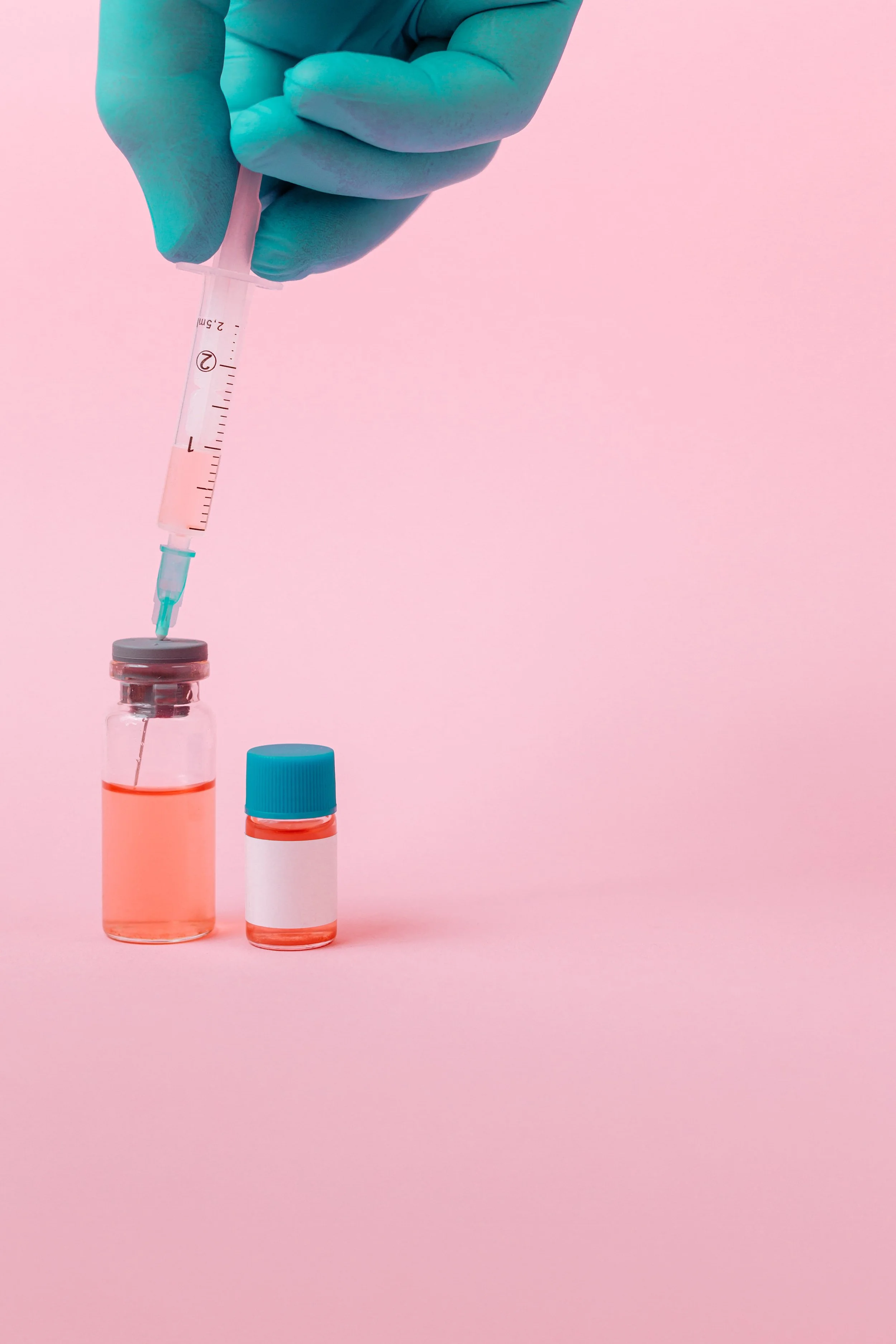
Peptide injections are everywhere — from BPC-157 and GHK-Cu to Melanotan II and epitalon — promoted online for skin, hair, recovery, and "longevity." With the FDA reportedly poised to reverse 2023 restrictions on fourteen peptides, demand is set to grow even further. But the gray-market peptide trade operates almost entirely outside medical regulation, and the evidence base for most of these compounds is far weaker than the marketing suggests.
Let’s break down what peptides actually are, where the real risks lie, and how to evaluate any peptide therapy you are offered.

A growing corner of the internet has decided that sunscreen — not the sun — is the real villain. As a doctor who spends a fair amount of her week looking at sun-damaged skin, I'd like to take that idea apart.
Here's what the actual science says about chemical filters, "hormone disruption," coral reefs, benzene and the rest — and the one thing the skeptics are genuinely, annoyingly, a little bit right about.