


Welcome to The Aesthetics Edit™ - our award-winning educational platform at the intersection of art, beauty, medicine and science.
Explore by category and read our latest articles below,
or see a full list of all of our pieces here









Latest articles
Skinny Is Back — and We Need to Talk About It
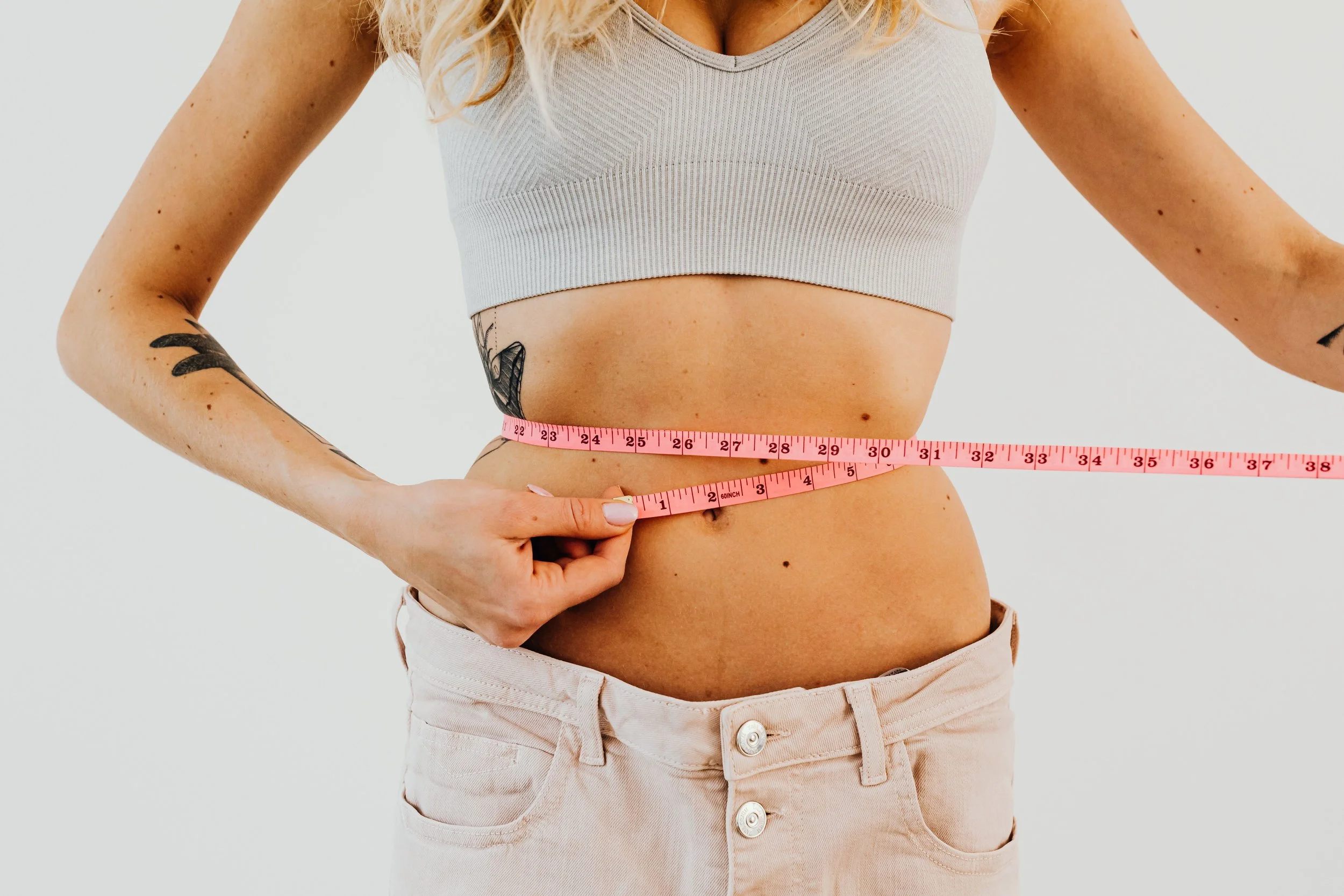
In the space of about three years, the culture has swung from body positivity to something that looks a lot like the old thin ideal in new clothing. A big part of that story is a class of genuinely brilliant medicines — GLP-1s — being actively absorbed into an old, harmful set of beauty rules. As a doctor, I recognise how, for the right patient, this subset of medications can vastly improve their health. But when prescribed inappropriately, they can be something much more sinister.

Ozempic Face: What It Actually Is, and the Question Patients Should Always Ask
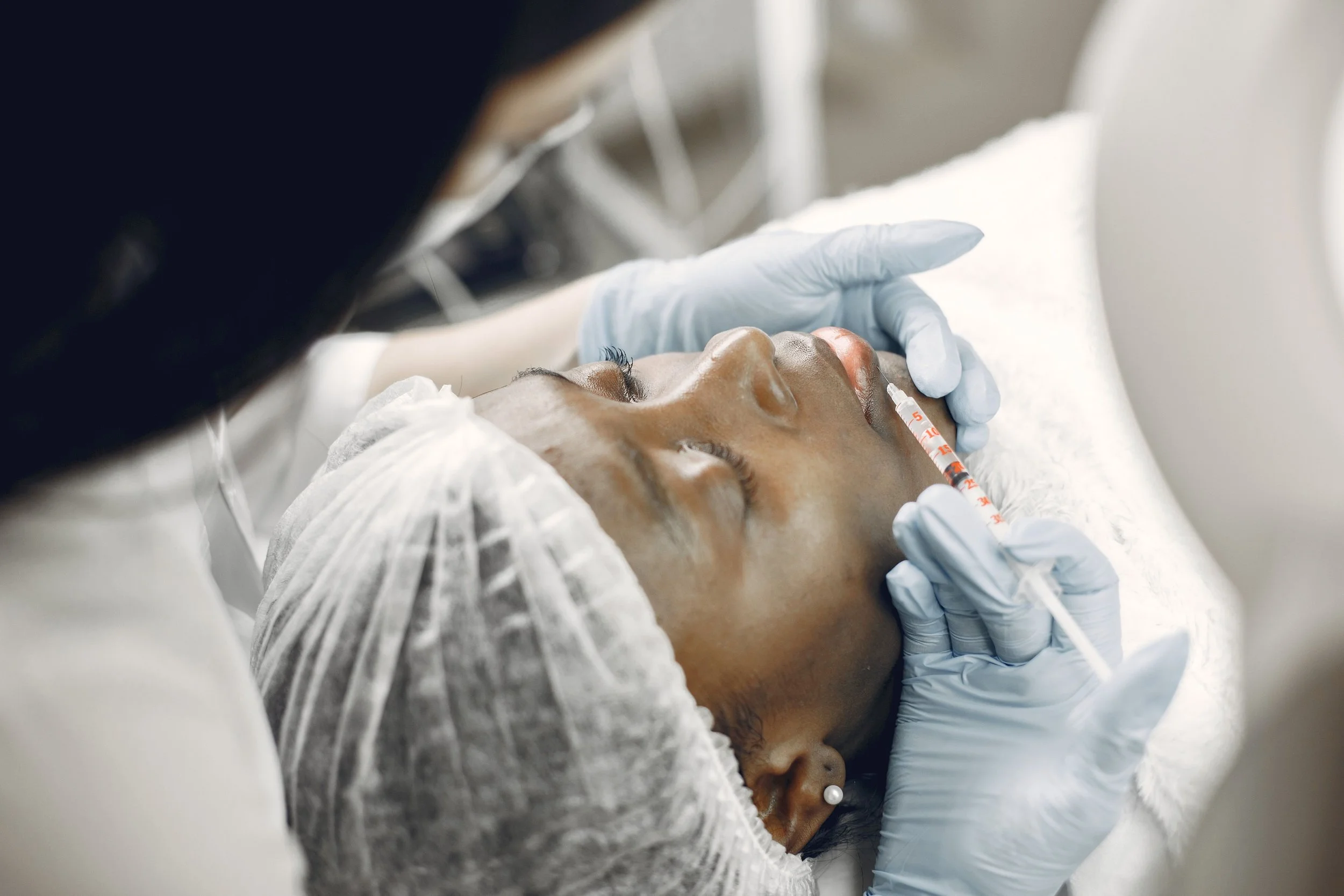
Ozempic face - the facial volume loss, skin laxity, and temple hollowing increasingly seen in patients on GLP-1 medications such as semaglutide (Ozempic, Wegovy) and tirzepatide (Mounjaro) - is now one of the most common presentations in UK aesthetic clinics.
This article explains what Ozempic face actually is, the emerging science behind it, the January 2026 international consensus on layered treatment with biostimulators, energy-based devices, and structural HA filler, and the NICE prescribing thresholds and red flags every UK patient should know before any aesthetic clinic prescribes a GLP-1.

A growing corner of the internet has decided that sunscreen — not the sun — is the real villain. As a doctor who spends a fair amount of her week looking at sun-damaged skin, I'd like to take that idea apart.
Here's what the actual science says about chemical filters, "hormone disruption," coral reefs, benzene and the rest — and the one thing the skeptics are genuinely, annoyingly, a little bit right about.