
Are We Really Capitalising on Insecurities? A Doctor's Honest Take on Aesthetic Medicine and Ageing
I have had the immense pleasure of being interviewed by Clare Johnston, a wonderful journalist who founded the Honest Channel and writes on her website the Honest Voice. In a conversation we had, she asked me a question that deserves to be carefully considered: "Are you capitalising on the insecurities of ageing men and women and potentially even heightening their anxieties?"
It's a fair question. A valid question. And honestly, an important one that every aesthetic clinician should be asking themselves regularly.
Let's tackle this head-on.
The Uncomfortable Truth
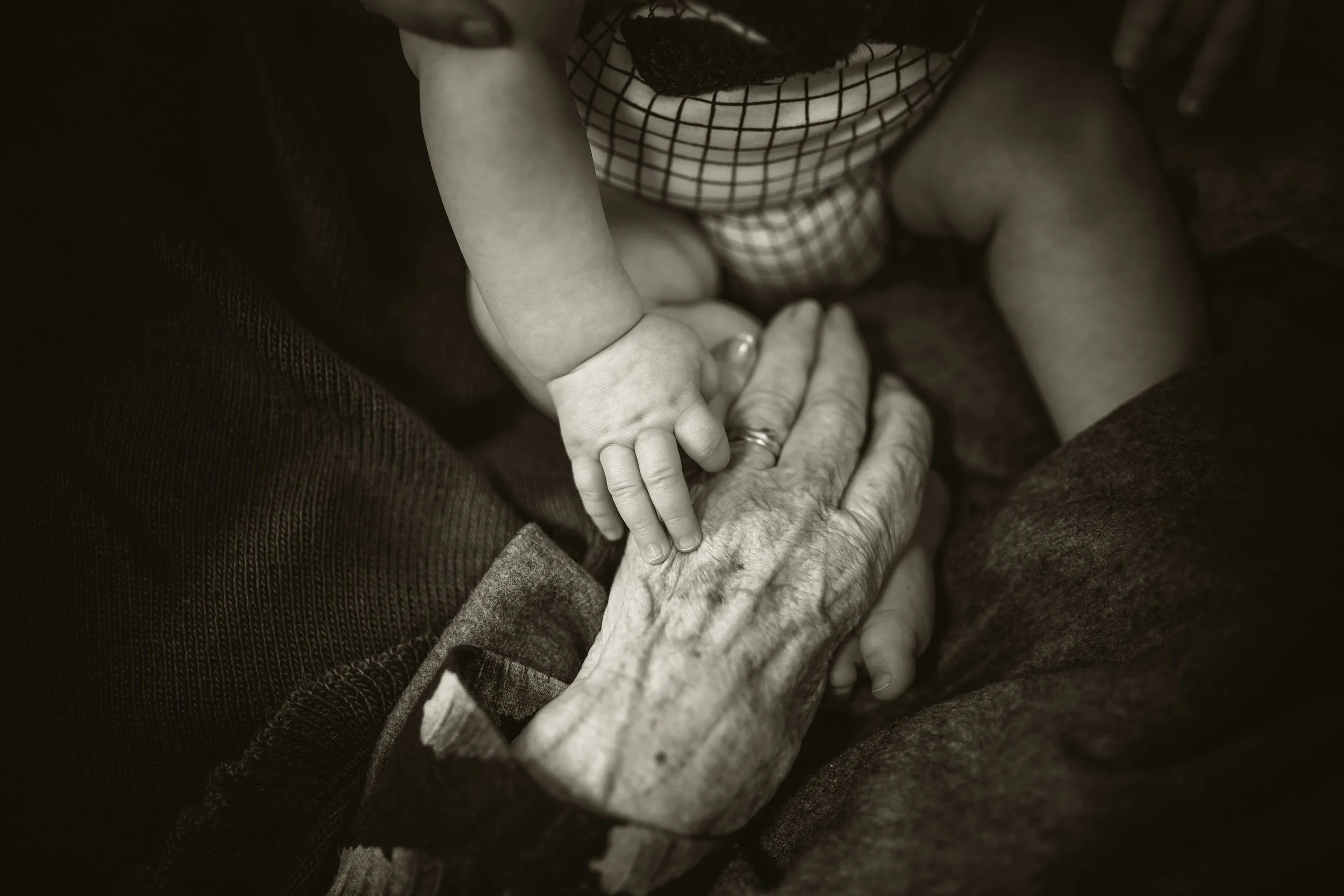
I'm going to start with brutal honesty: there absolutely are practitioners out there who exploit people. This is part of why going to a medically qualification clinician is so vitally important - but even within that circle you will always get unscrupulous practitioners. I can't speak for everyone in this field, but I can speak to the principles that guide my own practice.
As doctors, we hold a position of immense privilege. People come to us from places of vulnerability, trusting us with their concerns, their insecurities, their hopes. That trust is important, and it's why having a strong ethical baseline isn't just important - it's absolutely non-negotiable.
When I talk about practicing under the medical model, I mean that we should never do anything that isn't in our patients’ best interest. In aesthetics, we're not just talking about physical well-being; we're dealing with emotional, psychological, and social well-being too. That's complex territory that requires careful navigation.
My Personal Journey with Aesthetic Medicine
I want to share something personal. During the pandemic, I worked as an A&E doctor on the front lines. Like many of my colleagues, it took a massive toll on my physical and mental health. I wasn't looking after myself - too many nights and weekends, too much stress, not enough self-care.
When I looked in the mirror, I didn't recognise myself. I saw a tired, miserable shell of a person, and it was confronting. Part of my recovery process from burnout included aesthetic treatments. It wasn't vanity - it was part of learning to look after myself again, part of believing I deserved good sleep, nutritious meals, and yes, nice things that made me feel better.
This experience taught me something crucial: helping someone address their insecurities isn't inherently wrong. We put endless pressure on people, particularly women, to always be confident and comfortable in their own skin. But it's very human to have insecurities, and it's perfectly acceptable to admit them.
The Double Standard We Need to Address
Here's what frustrates me: we don't scrutinise other age-related medical interventions the way we do aesthetic treatments. No one criticises you for getting reading glasses - we don't tell you to "embrace the natural ageing of your eyes." We surgically replace hips and knees so people can walk without pain, and no one calls that "cheating" or failing to "age gracefully."
But as soon as bodily autonomy shifts to aesthetic concerns - particularly female aesthetic concerns - suddenly there's this narrative shift. We have to acknowledge the real pressures that exist around preserving youth and beauty, especially for women, but let's also acknowledge the hypocrisy.
Choice, Not Judgement
I think about one of my patients - a fabulous woman in her 80s - who sweeps into clinic for her "little sprinkle of Botox." She's immaculate, confident, living her best life. If you told her she was doing this for male attention, she'd literally laugh in your face.
This brings me to something that really matters: choice. We live in a world where we're judged on our appearance - that's just reality. Our faces are how we interact with the world, how we present ourselves. Everyone takes pride in their appearance if they're able to: we cut our hair, choose our clothes, wear makeup or don't. Aesthetic treatments are simply another part of that story.
What Good Ageing Really Means
When I'm asked about "good ageing," especially in light of debates around celebrities, I always come back to the medical model: good ageing means optimising your physical, psychological, and emotional wellbeing. That's deeply individual and will look different for everyone.
When I see work that looks obviously overdone or unnatural, I don't judge the patient. I see it as a failure of the medical profession. Someone failed to say no when they should have. Being able to say no is one of our most important ethical boundaries as doctors.
And here's the truth that Keira Knightley articulated perfectly: as women, we can't win. If we age with intervention, it's wrong in some people's eyes. If we age without intervention, it's wrong in others'. So my advice? Do what makes you feel good and stop worrying about judgement.
The Madame Noël Perspective
Let me tell you about Madame Noël - one of the first female plastic surgeons and a suffragette who worked tirelessly for women's right to vote. She was practising surgery in the 19th century when it was almost unheard of for women. She saw plastic surgery as a feminist concept, arguing that women deserve autonomy over their own bodies and that her work supported women in maintaining their professional livelihoods and independence.
She understood that this was about choice: the same way she fought for the right to vote. You don't have to do it, but you should have that choice. As she wrote: "It is the same as with our right to vote. Nowhere did women meet with such headstrong resistance, nowhere was it made so difficult for them to openly admit their wish to remain young."
My Responsibility as a Practitioner
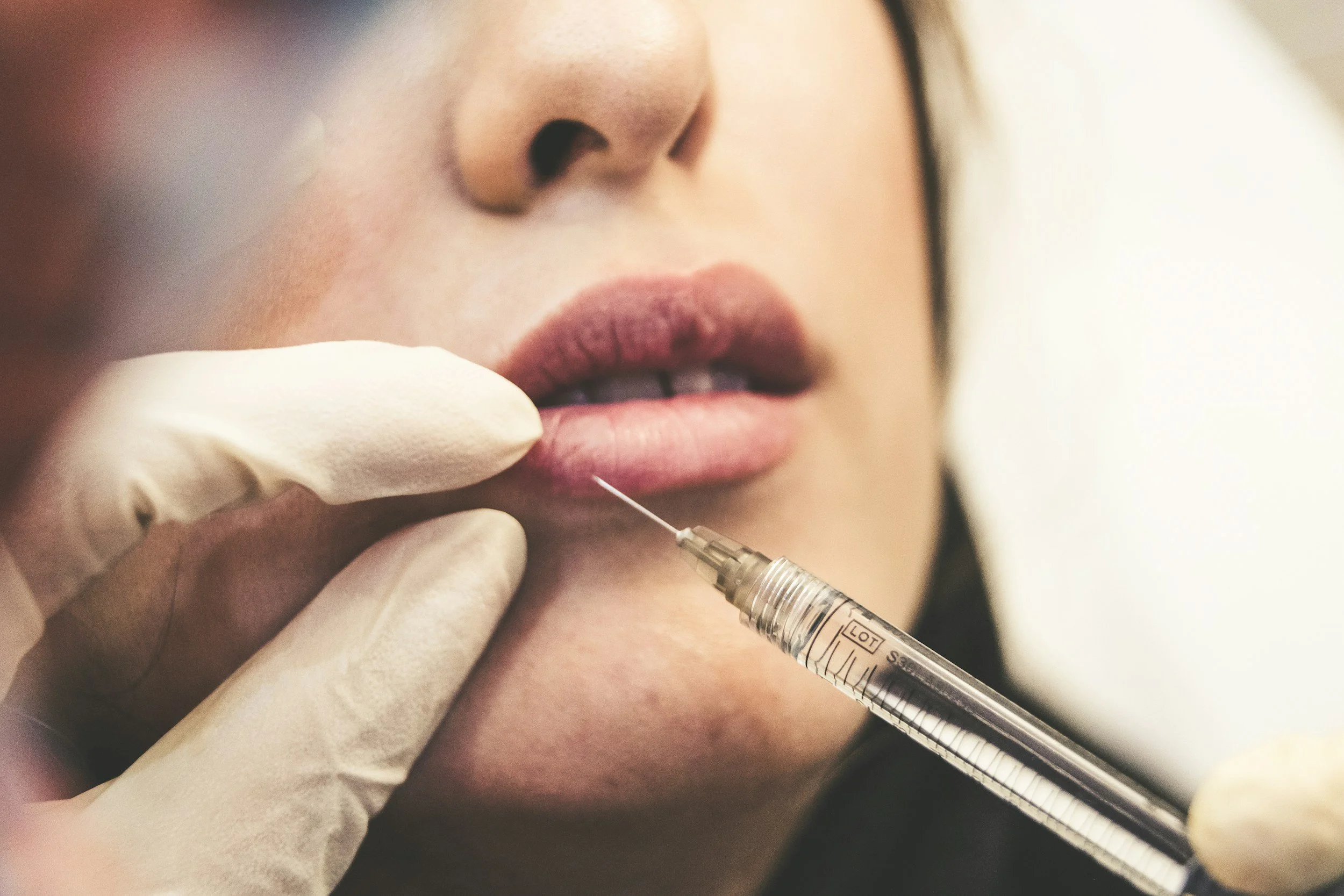
Here's what I believe: if you're going to practise aesthetic medicine, your primary calling must be your duty of care. Yes, we run private businesses and need to pay our bills, but that can never come at the expense of proper patient care.
This means taking time for thorough consultations, understanding not just what patients want but why they want it, respecting natural anatomy, understanding the ageing process, and most importantly, being willing to say no when treatments aren't appropriate or when patients are vulnerable.
The Bottom Line
Are some practitioners capitalising on insecurities? Probably. But that doesn't invalidate the entire field or the genuine benefits that well-practised aesthetic medicine can provide.
What I've learned is that most of my patients are incredibly self-aware women - business leaders, lawyers, mothers - who know their own minds and can make their own decisions. They're not victims of manipulation; they're empowered individuals making choices about their own bodies and wellbeing.
The conversation around aesthetic medicine is often patronising, especially towards women. We need to move beyond that and recognise that people have the right to make informed decisions about their own bodies and their own ageing journey.
There's nothing anti-feminist about wanting to feel confident in how you present yourself to the world. There's nothing weak about addressing concerns that affect your psychological wellbeing. And there's certainly nothing wrong with having standards for yourself and wanting to maintain them as you age.
What are your thoughts on choice and ageing? I'd love to hear your perspectives - whether you're considering treatments, have had them, or have chosen a different path entirely.
To watch the full conversation with Clare, you can find it on here channel here.

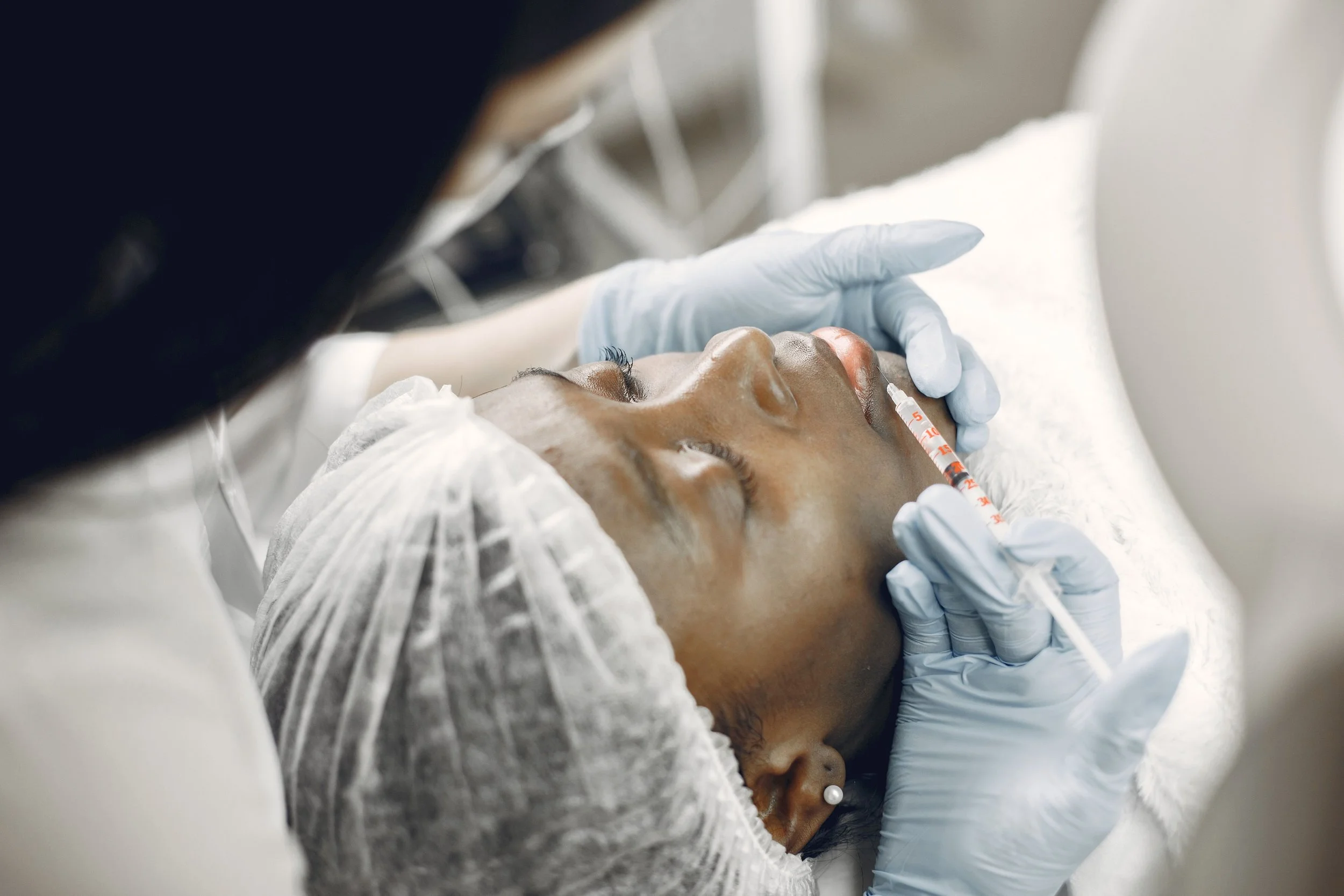
When supermodel Linda Evangelista revealed that a fat-freezing treatment had left her "brutally disfigured," it put a rare side effect of CoolSculpting on the front pages. For the clinician, this rare complication highlights how important proper consent in aesthetic medicine is.