
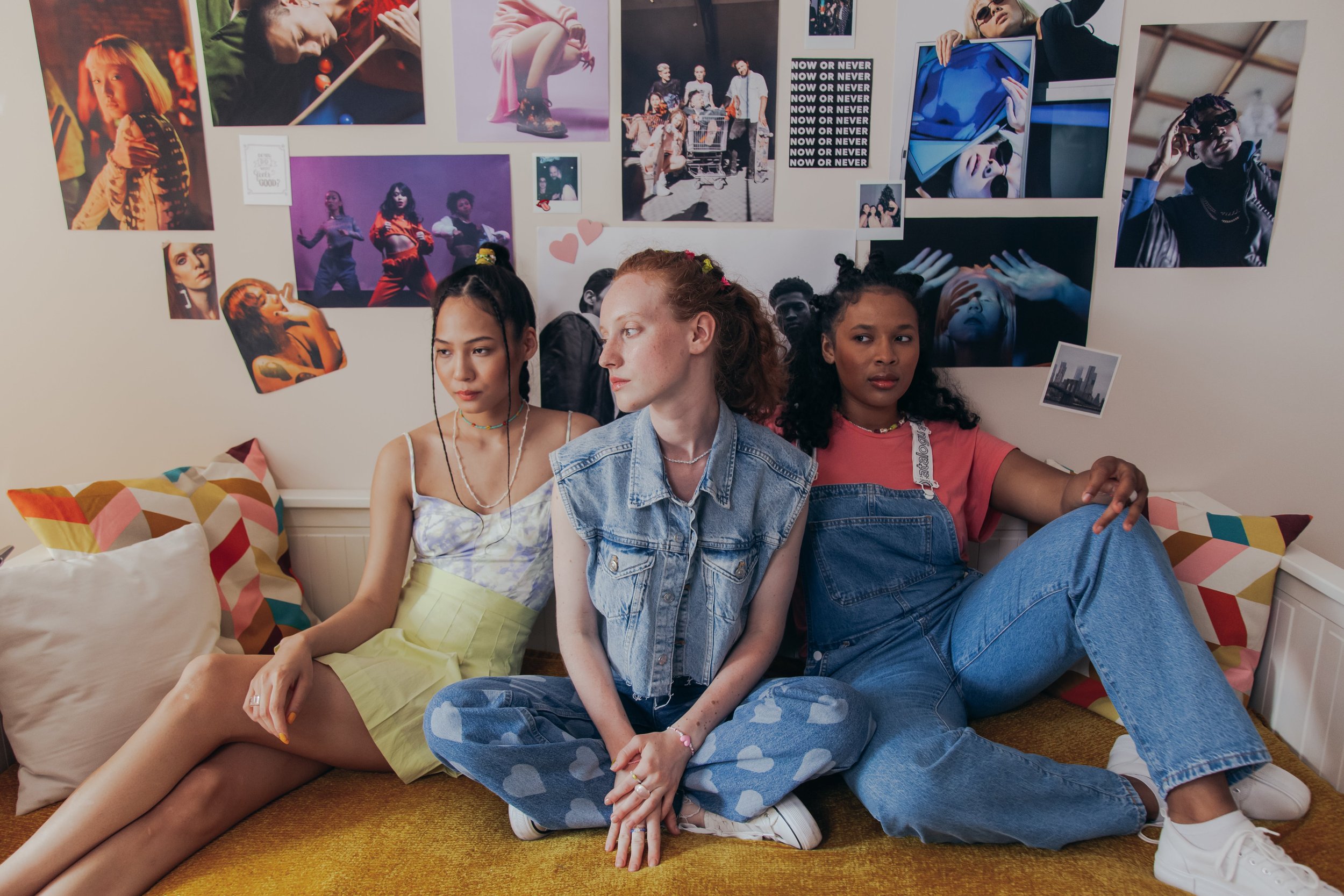
Tweens and teenagers are diving headfirst into the skincare scene. They’re flocking to beauty counters with their enthusiasm for elaborate 10-step routines once reserved for adults. But behind the glossy facade of 'Sephora kids' and their viral TikTok skincare sagas lies a problem.

This is a world where your Insta or TikTok feed, or more accurately an algorithm, dictates your skincare routine. There is a constant exposure to the trending world of beauty hacks, multi-step regimens, and luxury skincare hauls.
The catch? A troubling mix of skincare misinformation and overenthusiastic experimentation, leading to avoidable skin problems like sensitivity and breakouts, and a rising concern among dermatologists and cosmetic chemists.

Social media blurs the line between helpful tips and harmful trends. From misusing potent ingredients to DIY treatments gone wrong, it is a double-edged sword. It’s become all-too-easy to self-diagnose online or go for a viral trend that doesn’t have any science behind it. You’re then nudged along by eye-catching product designs and marketing messages that play on insecurities.
We need to talk about the power of social media and marketing. Tweens and teenagers do not need to do more than cleanse, moisturise, and wear sunscreen. The journey to healthy skin should be as safe and evidence-based.
See our summary slides below:



Let's start with a phrase you've said a hundred times without thinking about it: "mad as a hatter."
It isn't just a bit of whimsy from Alice in Wonderland. For centuries, hat-makers used mercury to turn animal fur into felt — and breathing its fumes, day after day, in poorly-ventilated workshops slowly poisoned them. The result was a syndrome doctors called erethism: tremors (the "hatter's shakes"), crippling anxiety and irritability, memory loss, personality change. An entire trade was, quite literally, being driven mad by a heavy metal. Mercury is a spectacular poison — it wrecks the kidneys and the nervous system — and we have known this for a very, very long time.
Which makes what I'm about to tell you all the more depressing. Because mercury didn't just disappear when the hat factories shut down. Today, it's in skin-lightening creams — and it's still poisoning people, right now, in 2026.